
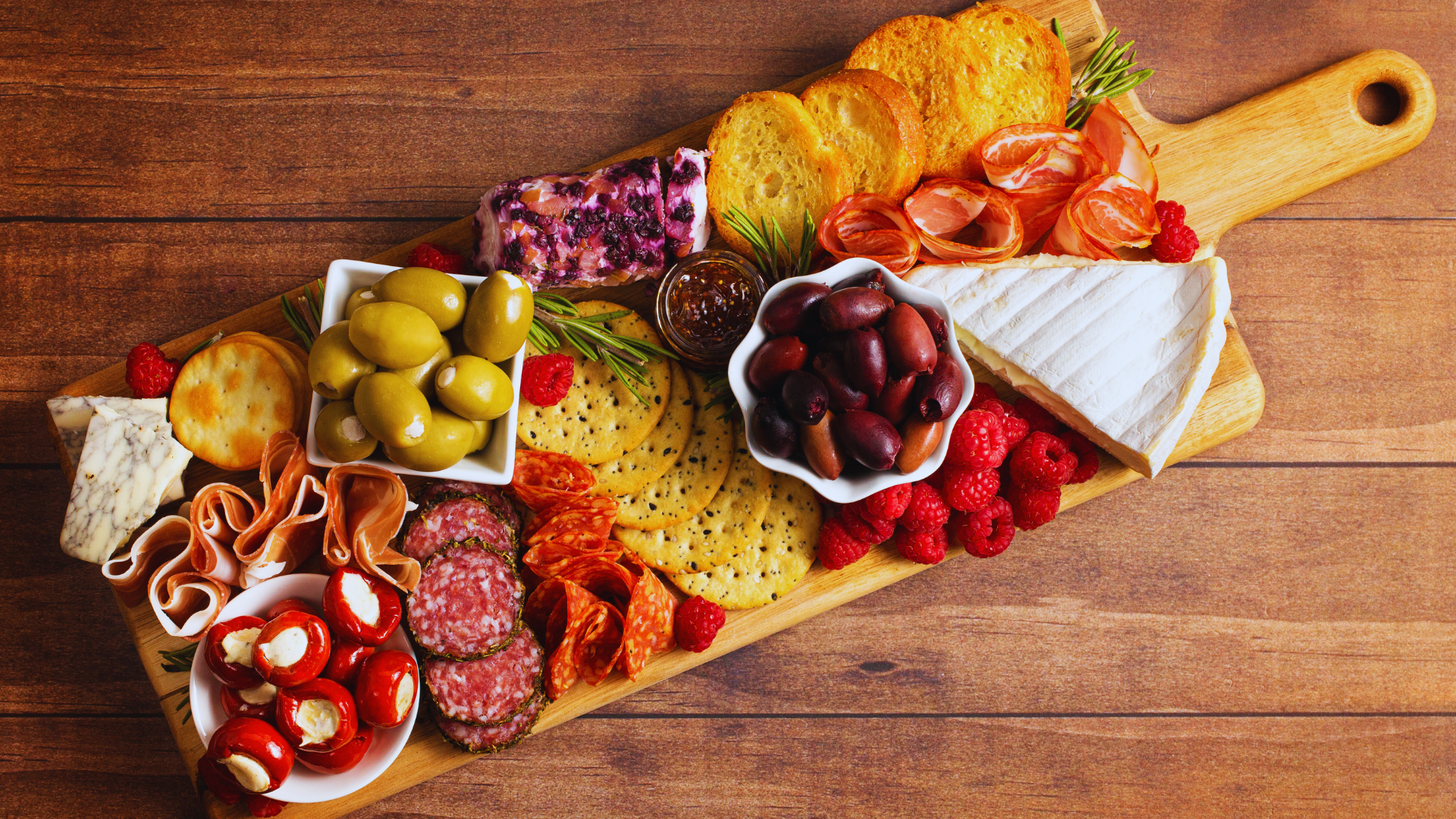
Cheese and meat boards are ideal for any gathering, be it a casual get-together or an elegant soirée. Whether it’s for a birthday party, a picnic, or a festive celebration, selecting the right combination of cheeses, meats, and accompaniments can elevate the experience for guests.
Tailoring a board to the occasion can impress and satisfy a diverse range of palates. From selecting local artisanal cheeses to exploring international flavours, there are endless possibilities to create stunning and delicious presentations.
Understanding the basics of pairing, while also being mindful of dietary preferences, can make any cheese and meat board a standout feature at any event. This guide will explore ideas and tips to craft the perfect board for every occasion, ensuring enjoyment for all.
Essentials of Crafting Cheese and Meat Boards
Crafting an impressive cheese and meat board requires an understanding of various components. Key elements include the selection of cheese and meats, the incorporation of variety, and the addition of bread and complementary sides.
Choosing the Right Cheese
Selecting the right cheese is fundamental to a successful board. A mix of textures and flavours enhances the overall experience.
Types of Cheese to Consider:
- Soft Cheeses: Brie, Camembert
- Hard Cheeses: Cheddar, Gouda
- Blue Cheeses: Stilton, Roquefort
Aim for at least three types. This combination creates contrasting flavours that complement each other. Consider adding a cheese with a distinct taste, such as blue cheese, to provide an additional layer of complexity. Additionally, including a soft cheese along with a hard variety improves textural diversity.
Selecting Quality Meats
Quality cured meats are essential for flavour and presentation. Each type offers unique taste profiles that add depth to the board.
Popular Meat Choices:
- Prosciutto: Thin, delicate slices with a salty, rich flavour
- Salami: Varieties like Genoa or pepperoni add spice and texture
- Chorizo: Offers a smokey, spicy element
Mixing different meats helps in creating a well-balanced offering. A variety of flavours ensures that there’s something for everyone, and the visual appeal of assorted shapes and colours enhances the presentation.
Incorporating Variety
Incorporating variety goes beyond just cheese and meats. It is crucial to include multiple elements that complement the flavours on the board.
Consider Adding:
- Nuts: Almonds, walnuts, or pistachios for crunch
- Fruits: Grapes, figs, or apple slices for sweetness
- Vegetables: Marinated olives or cherry tomatoes for acidity
These elements provide contrasting tastes and textures. The inclusion of both sweet and savoury items engages the palate and rounds out the board. A well-considered variety ensures a delightful experience for guests.
Breads and Crackers
Bread and crackers serve as an essential base for cheese and meats. They add texture and help in balancing the rich flavours of the board.
Recommended Options:
- Artisan Breads: Baguette slices or breadsticks
- Crackers: A variety of textures, from crispbreads to seed crackers
Ensure that the selection includes both plain and flavoured options. This variety allows guests to mix and match, enhancing their tasting experience.
Complementary Sides
Complementary sides elevate the presentation and add finishing touches to the board.
Helpful Additions:
- Chutneys: Sweet or spicy options that pair well with cheese
- Honey: A drizzle adds sweetness and balances saltiness
- Pickles: Provide a tangy bite that contrasts with creamy cheeses
Each of these additions can enhance the overall flavour profile while providing a visually appealing layout. They encourage interaction and exploration, making the experience more enjoyable.
Styling and Presentation Techniques
Creating an aesthetically pleasing cheese and meat board involves careful consideration of arrangement, accessorising, and appropriate serving tools. Each element contributes to a delightful visual experience that enhances the enjoyment of the flavours.
Board Arrangement and Design
The layout of a cheese and meat board is crucial. Starting with an appropriate board size, it is vital to select a surface large enough to accommodate cheeses, meats, and accompaniments without appearing cluttered.
Placement Tips:
- Arrange larger items first, such as whole cheeses or large cured meats.
- Create sections for different elements with visual barriers like small bowls or utensils.
- Fill in gaps with smaller items, ensuring a harmonious distribution of colours and textures across the board.
Include a variety of shapes and sizes to create visual interest. For instance, a combination of hard cheeses, soft cheeses, and cured meats like prosciutto or salami enhances the flavour experience, while fresh fruits or edible flowers add a touch of elegance.
The Art of Accessorising
Accessories elevate the presentation of a cheese and meat board. Choosing the right accompaniments can enhance flavours while also appealing to the eye.
Recommendations for Accessorising:
- Spreads: Incorporate jams, honey, or chutneys in small bowls for added flavour contrasts.
- Nuts and Seeds: These provide crunch and texture diversity. Place them in a small dish for easy serving.
- Fresh Herbs: Sprigs of rosemary or thyme can add a fragrant touch to the arrangement.
Utilising varied textures, such as creamy cheeses alongside crispy crackers, will enhance the overall sensory experience. A well-placed accessory can create focal points on the board that draw the eye.
Serving Tools and Tableware
The right serving tools can enhance the cheese and meat board experience. Selecting appropriate utensils not only aids in serving but also contributes to the board’s aesthetic.
Essential Tools:
- Cheese Knives: Use specialised knives for different cheese types, such as a soft cheese knife for brie and a plane knife for hard cheeses.
- Cheese Forks: These are handy for serving pieces without the need for fingers.
- Small Spoons: Ideal for spreads or dips, ensuring guests can easily serve themselves.
Choosing materials for the board and accessories, like wooden boards paired with stainless steel utensils, creates a rustic yet elegant presentation. Cohesion in materials can further enhance the visual appeal.
Themed Visual Appeal
Creating a themed cheese and meat board allows for personal expression. Whether styled for a holiday, a season, or a specific cuisine, themes can guide selections.
Themed Ideas:
- Seasonal Boards: Incorporate seasonal ingredients, such as autumn pears or summer berries, to celebrate the time of year.
- Cultural Influences: For a Mediterranean theme, include olives, feta, and pita bread alongside traditional cheeses.
- Colour Themes: Focus on a specific colour palette, such as a board centred around vibrant greens and reds, which can be visually striking.
Tailoring the board layout and selection to fit the theme results in a cohesive and inviting presentation that encourages guests to indulge and explore the flavours offered.
Occasion-Specific Boards
Tailoring cheese and meat boards to specific occasions enhances the dining experience. Each setting demands unique flavours and presentations that appeal to guests, making the event memorable. The following sections explore various themes for assembling boards that suit different gatherings.
Brunch and Breakfast Ideas
A breakfast charcuterie board offers a delightful and hearty start to the day. It can include an assortment of cheeses like Creamy Brie and Sharp Cheddar, paired with a selection of cured meats such as Salami and Prosciutto.
To complement this, add fresh fruits like strawberries and grapes, along with spreads such as honey or fruit preserves. Include assorted breads, croissants, and perhaps some yoghurt or granola in a small bowl.
This board can be beautifully arranged on a large platter, encouraging guests to mix and match their favourite items, and creating a relaxed atmosphere. Adding fresh herbs for garnish enhances its visual appeal.
Dinner Party Delights
For a dinner party, a classic charcuterie board showcases an elegant selection of meats and cheeses. Items such as Gouda, Manchego, and Smoked Cheddar pair wonderfully with Chorizo, Bresaola, and Capicola.
Complement the flavours with pickles, olives, and artisan breads. Nuts like almonds or walnuts can provide additional texture. Use a wooden board for an inviting presentation, arranging cheese and meats alternately for a balanced look. This board can be served alongside a light white wine or a robust red, depending on the selections made.
Seasonal and Festive Boards
Creating seasonal boards adds an exciting twist to traditional hosting. An autumn cheese board could feature rich flavours like Roquefort or Brie alongside roasted pumpkin seeds and caramelised nuts. For festive occasions such as Easter or the Fourth of July, consider a themed charcuterie board. An Easter charcuterie board might include pastel-coloured mini eggs and spring greens. The Fourth of July charcuterie board could reflect patriotic colours with red strawberries, white cheeses, and blueberries. Utilising seasonal ingredients not only enhances taste but also celebrates the time of year. Collections of small, themed items transform the board into a focal point of the celebration.
Sweet and Dessert-Inspired
A sweets charcuterie board appeals to those with a penchant for desserts. It can include an assortment of chocolates, cookies, and pastries. Incorporating treats like macarons, brownies, and mini cheesecakes adds variety. Moreover, consider items that complement desserts, such as fruits, dipping sauces, or a hot chocolate charcuterie board featuring marshmallows and whipped cream.
Layering these components on a platter creates an inviting dessert display. Guests enjoy the freedom to create their sweet combinations, making the event feel interactive and fun. An ice cream sundae charcuterie board can also be an exciting variant, with toppings and cones inviting creativity.
Advanced Tips and Tricks
Creating a cheese and meat board requires more than just selecting random items. A thoughtful approach can elevate any gathering, whether it’s a dinner party or a casual picnic.
Creating a Balanced Flavour Profile
A harmonious combination of flavours is essential for a successful cheese and meat board. Aim for a mix of textures and tastes: creamy, hard, tangy, and rich.
Cheese Types: Incorporate soft cheeses like Brie, alongside firm cheeses such as Cheddar or Gouda. This variety encourages taste exploration.
Meat Selections: Combine salty options, like prosciutto, with spiced meats, such as chorizo. The saltiness complements the creaminess of cheeses.
Extras: Include sides like crackers, breads, or toast. Fresh fruits like grapes and dried fruits such as apricots add sweetness, balancing savoury elements.
Pairing Suggestions
Complementing flavours on a board enhances the overall experience. Consider these pairing ideas:
- Fruits: Pair Brie with fresh pears. Cheddar goes well with apples or chutneys.
- Nuts: Almonds add a crunchy texture and can contrast nicely with soft cheeses.
- Dips: Include salsas or glazes. A mild salsa can enhance the flavours without overpowering them.
- Breads: Offer a variety of breads. A baguette pairs well with cheeses, while seeded crackers complement meats.
Encourage guests to experiment with combinations for a personalised taste.
Diet-Specific Boards
Catering to dietary preferences expands board appeal. Consider the following:
- Vegetarian: Replace meats with a variety of vegetables, olives, and dairy-free cheeses. Include hummus or bean dips as protein alternatives.
- Gluten-Free: Opt for gluten-free crackers or vegetable slices. Ensure dips are also gluten-free to maintain compatibility.
- Vegan: Use plant-based cheeses and include a range of nuts, seeds, and gluten-free breads. Dips can be made from avocado or chickpeas.
Addressing dietary needs ensures everyone can enjoy the board.
Scaling for Gatherings of Every Size
Adapting the board size for gatherings is straightforward. Here’s how:
- Small Gatherings: For intimate settings, a simple selection of 2-3 cheeses and 2-3 meats is ideal. Add a couple of dips and a few fruits.
- Medium Groups: Increase variety with 4-5 cheeses, 3-4 meats, and additional sides like nuts and crackers. This adds depth of flavour and texture.
- Large Events: Create multiple boards with unique themes, such as regional specialities. Different boards can feature international cheeses and meats, along with accompanying sides.
Scaling thoughtfully will ensure that every guest finds something to enjoy.
Leave a Reply