
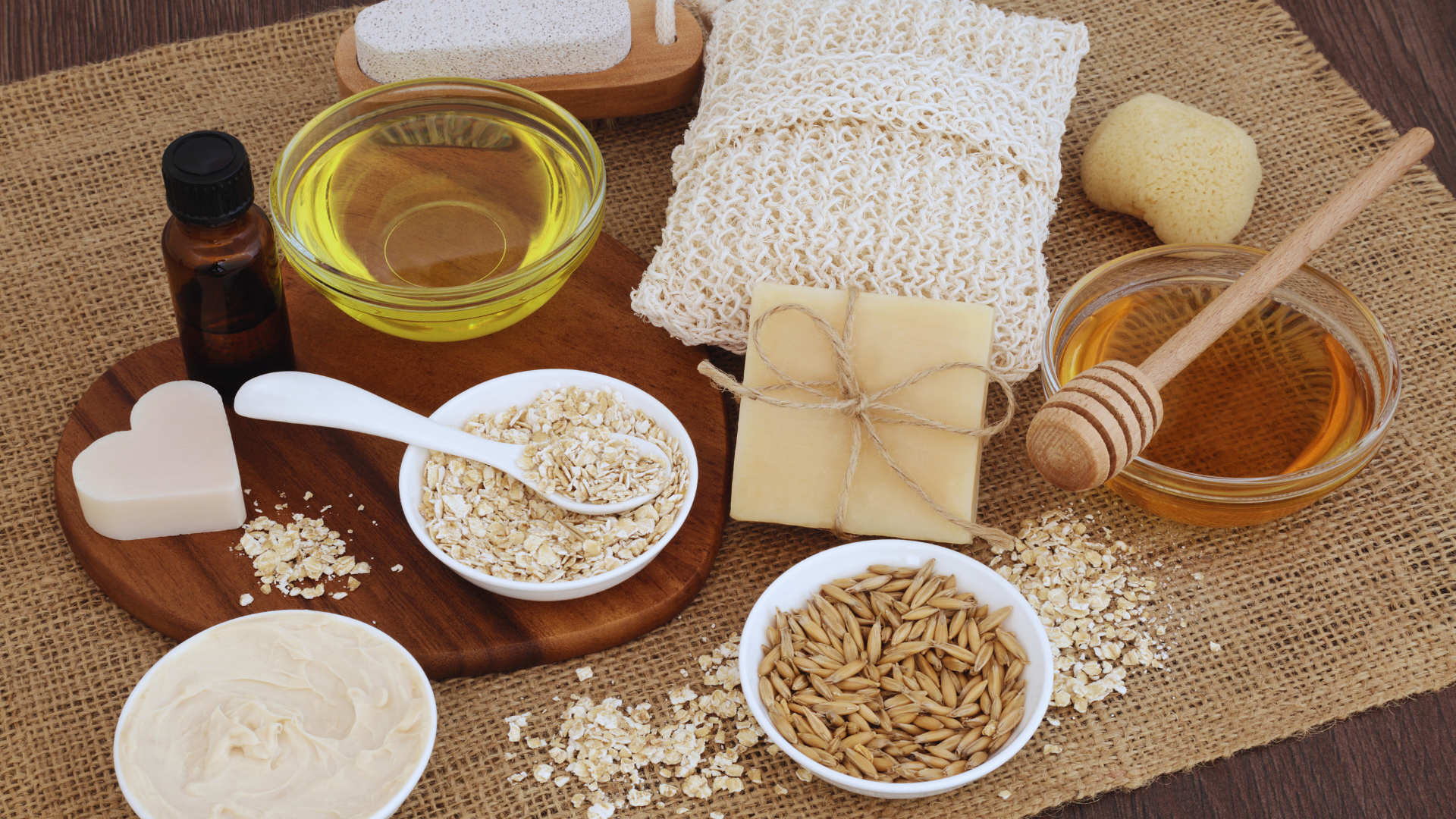
The shift towards natural skincare products has gained significant traction in recent years, driven by increasing awareness of the potential negative effects of conventional skincare. Many consumers are questioning the long-term impact of chemical ingredients such as parabens and phthalates on skin health and overall well-being. Making the switch to natural ingredients can greatly reduce exposure to harmful toxins while providing effective skincare solutions.
Natural skincare products often contain beneficial ingredients derived from plants, which can nourish and protect the skin without the risks associated with synthetic alternatives. These products tend to be gentler and more suitable for a variety of skin types, especially for those with sensitivities. By prioritizing natural ingredients, individuals can embrace a more holistic approach to their skincare routines, fostering healthier skin and a more sustainable lifestyle.
Choosing to embrace natural alternatives can empower consumers to take control of their skincare regimen. Understanding the ingredients in their products encourages informed decisions, ultimately leading to improved skin health. With an array of options available, transitioning to natural skincare is not only a choice for well-being but also for the environment.
Understanding the Basics of Natural Skincare
Natural skincare focuses on products that are derived from natural sources, and free from synthetic ingredients. This approach emphasizes the use of organic compounds and bioactive ingredients, promoting a healthier skin regimen.
Defining ‘Natural’ in Skincare
The term ‘natural’ in skincare refers to products made from ingredients sourced from nature. These can include plant extracts, essential oils, and minerals.
A product labeled as ‘all-natural’ generally means it contains no synthetic chemicals, parabens, or artificial fragrances. It’s essential to note that regulations on the term ‘natural’ vary, so consumers must research product formulations. Many brands use organic ingredients, which means the components are grown without the use of pesticides or fertilizers. This distinction promotes a more sustainable approach to skincare.
The Benefits of Natural Ingredients
Natural skincare products offer many advantages. They often contain antioxidants and vitamins that can nourish and protect the skin. For instance, vitamin E found in certain oils helps moisturize and repair skin.
Natural ingredients generally have anti-inflammatory properties, making them suitable for sensitive skin. Ingredients like chamomile and aloe vera can soothe irritation and redness. With fewer synthetic additives, natural products tend to reduce the risk of allergic reactions. Since they use bioactive compounds, the skin can benefit from significant healing properties without harmful side effects.
Common Misconceptions About Natural Skincare
A popular misconception about natural skincare is that it is less effective than conventional products. While some believe synthetic ingredients offer faster results, many natural alternatives provide long-term benefits through sustained use.
Another misconception is that all-natural products are free from allergens. While they can be gentler, natural ingredients can still trigger allergies or sensitivities. It is crucial for users to patch-test new products before extensive use.
Price can also be misleading; natural products are often viewed as costly. While some premium brands do charge more, there are affordable options available that maintain high-quality standards without sacrificing efficacy.
Similarly, while natural skincare can produce visible improvements in texture, hydration, and overall skin health, it is important to remember that aging is a natural process. Over time, factors such as decreased collagen production, sun exposure, and lifestyle choices can lead to changes like fine lines, wrinkles, and loss of firmness.
So, for those seeking more significant or faster results, consulting a board-certified plastic surgeon or aesthetic specialist from reputable clinics, such as Marina Plastic Surgery, can provide tailored solutions, ranging from non-invasive treatments to surgical options, to enhance and maintain youthful skin while complementing a natural skincare routine.
Assessing Your Skin and Choosing the Right Products
Understanding your skin’s unique needs is crucial when selecting natural skincare products. By identifying skin type, testing for sensitivities, and creating a tailored routine, individuals can enhance their skincare experience.
Identifying Your Skin Type
Determining skin type is the first step in choosing suitable products. There are five main skin types: normal, oily, dry, combination, and sensitive skin. Each requires different care.
- Normal Skin: Balanced, not too oily or dry.
- Oily Skin: Excess sebum, prone to acne.
- Dry Skin: Flaky and tight, can feel rough.
- Combination Skin: Oily in some areas and dry in others.
- Sensitive Skin: Easily irritated, requiring gentle formulations.
In addition to understanding basic skin types, those with specific concerns, such as sallow skin, may require extra attention, including guidance on choosing suitable products and routines to help improve tone and overall appearance. Identifying skin type helps in selecting products that cater to specific needs, minimizing the risk of irritation or adverse reactions.
The Role of Patch Testing in Preventing Allergies
Patch testing is a vital step in preventing allergic reactions to new products. It involves applying a small amount of the product to a discreet area, such as the inner arm, and observing for 24 to 48 hours.
If there is no redness, swelling, or irritation, the product is generally safe to use. This method is particularly important for those with sensitive skin or known allergies, as it can help identify potential irritants. Incorporating patch testing into the skincare routine ensures a safer transition to natural products without compromising skin health.
Creating a Personalised Natural Skincare Routine
A personalized skincare routine should consider individual skin types and specific concerns, such as sensitivity or acne. Essential steps include:
- Cleansing: Choose a gentle, natural cleanser that suits your skin type.
- Moisturizing: Use a suitable moisturizer to lock in hydration.
- Treatment Products: Incorporate natural serums or oils for specific issues, like redness or blemishes.
Regular adjustments can be made based on skin response, ensuring the routine remains effective. Utilizing natural ingredients not only benefits the skin but also aligns with a healthy lifestyle.
Transitioning to Natural Skincare Products
Transitioning to natural skincare products requires a careful approach. It is essential to phase out harmful chemicals, integrate natural options into a beauty regime, and evaluate ingredient lists effectively.
Phasing Out Harmful Chemicals
To begin, identify harmful chemicals commonly found in skincare products. Ingredients such as sulfates, parabens, and synthetic fragrances should be avoided due to their potential adverse effects. Start by thoroughly checking existing product labels and discarding products that contain these harmful agents.
Make a plan to replace these items with natural alternatives. Look for products that use plant-based ingredients and avoid synthetic additives. Consider the possibility of DIY natural skincare, using ingredients like coconut oil, aloe vera, or shea butter. By gradually phasing out these chemicals, individuals can reduce their exposure to skin irritants and promote better skin health.
Integrating Natural Skincare into Your Beauty Regime
Integrating natural skincare products doesn’t mean a complete overhaul overnight. Begin by substituting one or two products in a current beauty regime with natural options. For instance, a natural cleanser or moisturizer can replace a conventional product.
It is beneficial to establish a routine that allows the skin to adjust to the new ingredients. Consider factors like skin type and specific needs when choosing products. Avoid jumping to conclusions about new products too quickly; allow time to see how the skin reacts. A slow, intentional approach encourages a smoother transition and effective results.
Evaluating and Understanding Ingredient Lists
When moving towards natural skincare, evaluating ingredient lists becomes crucial. Many products claim to be “natural” while still containing harmful ingredients. It is essential to be informed about what to look for.
Focus on identifying products with short ingredient lists, primarily composed of recognizable substances. Ingredients like essential oils, botanical extracts, and naturally derived preservatives should be prioritized. Be wary of terms like “greenwashing,” where brands exaggerate natural claims. Research reputable brands that are transparent about their formulations. The more informed one is, the better choices can be made when transitioning to natural skincare.
Natural Skincare and Overall Well-Being
Natural skincare products can contribute to both personal well-being and environmental health. By choosing organic beauty options, individuals support sustainable practices while minimizing exposure to harsh chemicals. Many people also explore Barbara O’Neill Products and similar natural alternatives that focus on plant-based, holistic formulations designed to nourish and protect the skin. Embracing these kinds of products encourages healthier skincare routines and helps consumers become more mindful of the ingredients they use daily.
The Environmental and Ethical Impact of Natural Skincare
Natural skincare products often prioritize eco-friendly ingredients and sustainable production methods. Many brands source their components from organic farms, ensuring no synthetic pesticides or fertilizers are used. This approach not only protects the environment but also promotes biodiversity.
Consumers can also consider the practices of brands endorsed by organizations like the Environmental Working Group. Certifications and labels that verify eco-friendly practices help individuals make informed choices. Choosing ethical brands supports fair labor practices and reduces the carbon footprint associated with conventional skincare products.
Skincare as a Part of Holistic Health
Integrating natural skincare into daily routines can enhance overall well-being. Many natural alternatives are rich in nutrients and antioxidants, which may provide benefits such as anti-aging effects. Additionally, using natural products can minimize the risk of skin irritation or allergic reactions. This focus on health extends beyond the skin, as the choice of ingredients impacts general wellness. By avoiding harmful chemicals linked to health concerns, such as cancer, users can support their skin and overall health.
That said, this holistic approach also comes with certain limitations. While natural skincare can support and nourish the skin, it may not address every concern on its own. For instance, visible signs of aging or changes, such as loss of facial volume, often go beyond what topical products can improve.
In this context, combining skincare with a balanced diet becomes equally important. Proper nutrition can support skin elasticity, hydration, and overall appearance from within, complementing the benefits of natural products.
However, for those seeking quicker or more noticeable results, exploring professional options may also be considered. Consulting an expert from Austin-Weston, The Center for Cosmetic Surgery (or similar clinics), can help individuals better understand suitable treatments based on their goals, while still maintaining a holistic approach to skin health.
Bottom Line
Ultimately, natural skincare works best as part of a broader, balanced approach to well-being. While it supports healthier skin over time, combining it with proper nutrition and, when needed, expert guidance can lead to more well-rounded results.
Leave a Reply