
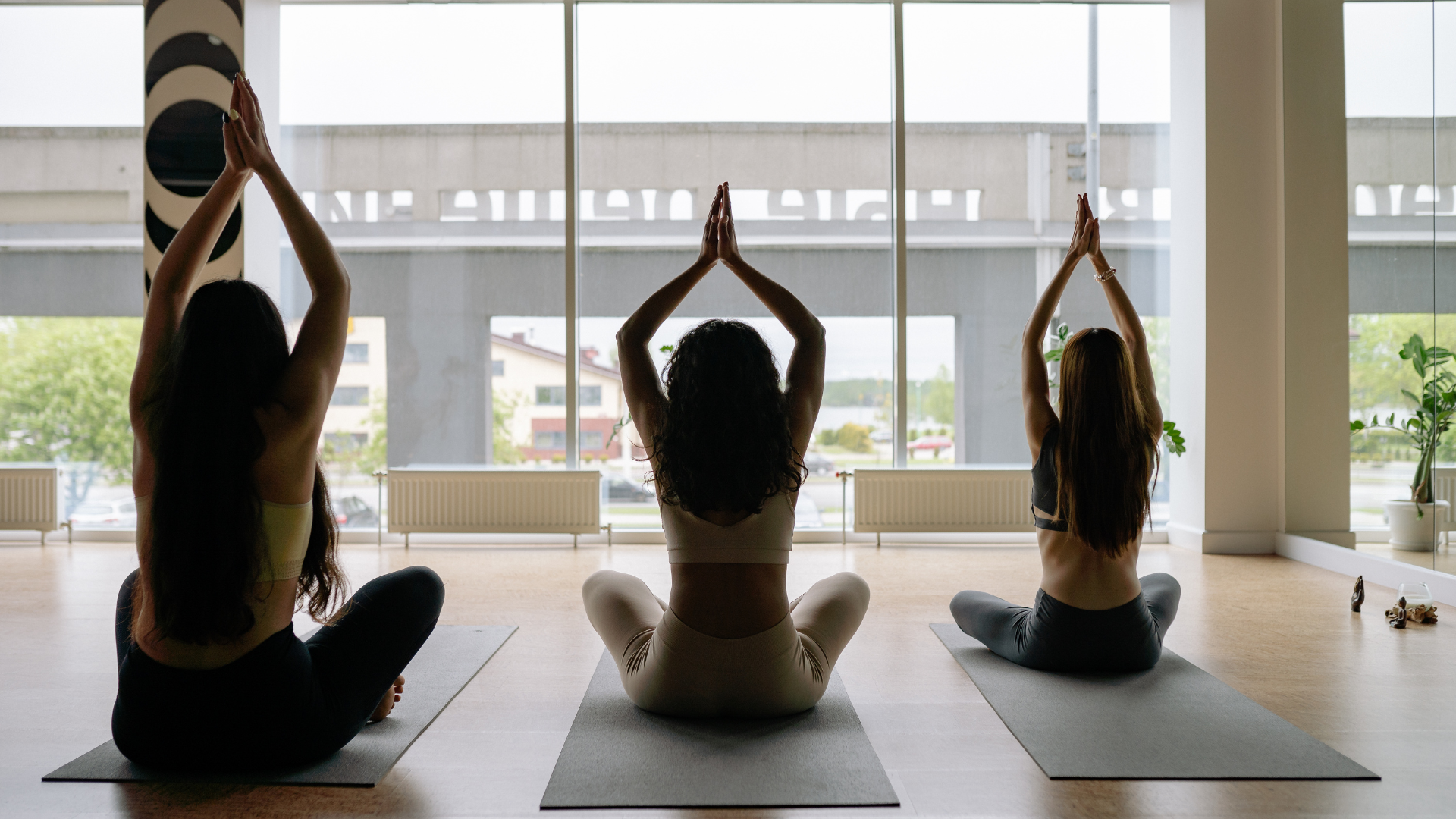
In today’s fast-paced world, many are looking for ways to enhance their well-being through simple, effective methods. Holistic health focuses on the mind, body, and spirit, promoting a balanced lifestyle. Incorporating small daily practices can lead to significant improvements in overall health.
By embracing a holistic approach, one can address not only physical health but also mental and emotional well-being. Techniques such as mindfulness, nutrition, and physical activity work synergistically to create a more fulfilling life. Exploring these methods can open doors to a healthier, more vibrant existence.
As individuals seek practical solutions to enhance their lives, holistic health hacks stand out. From integrating natural remedies to mindfulness practices, the options available can be tailored to fit varying lifestyles. Understanding how these simple changes can positively impact one’s life is essential for those on a wellness journey.
Understanding Holistic Health
Holistic health emphasizes the interconnectedness of various aspects of well-being. It encompasses physical, mental, emotional, social, and spiritual health, recognizing that each dimension influences the others.
Defining Holistic Health
Holistic health refers to a comprehensive approach to well-being that considers the whole person. It is more than just the absence of illness; it involves achieving optimal wellness across multiple domains.
Physical health includes proper nutrition, regular physical activity, and rest. Mental health focuses on emotional well-being and stress management. Additionally, social connections are vital for emotional support and community engagement.
Spiritual health can involve personal beliefs, values, and practices that provide a sense of purpose. In this framework, achieving balance across these areas encourages individuals to live healthier and more fulfilling lives.
The Five Pillars of Holistic Health
The five pillars of holistic health are fundamental components that support overall well-being:
- Physical Activity: Engaging in regular exercise fosters resilience, improves cardiovascular health, and enhances mood.
- Nutrition: A balanced diet rich in nutrients fuels the body and mind, contributing to better mood regulation and cognitive function.
- Emotional Well-being: Tools such as mindfulness and therapy can improve emotional resilience and coping strategies.
- Social Connections: Building and maintaining relationships can provide emotional support, which is crucial for mental health.
- Spirituality: Exploring personal beliefs and values can foster a deeper understanding of oneself and improve life satisfaction.
By addressing all five pillars, individuals can work towards a more holistic sense of health and wellness.
Incorporating Mindfulness and Meditation
Mindfulness and meditation offer valuable techniques to enhance mental clarity and promote stress reduction. By focusing on the present moment, individuals can cultivate a deeper sense of awareness and tranquility.
Benefits of Mindful Breathing
Mindful breathing serves as a fundamental practice within mindfulness. It encourages individuals to concentrate on their breath, creating a direct connection between body and mind.
Key Benefits include:
- Stress Reduction: By focusing on inhalation and exhalation, one can alleviate tension and anxiety.
- Improved Focus: This practice aids in sharpening attention, making it easier to tackle daily tasks.
- Emotional Regulation: Mindful breathing allows individuals to observe feelings without immediate reaction, fostering patience and understanding.
Incorporating mindful breathing into daily routines can significantly enhance overall well-being. Setting aside just a few minutes each day can lead to noticeable improvements in mental clarity and resilience.
Meditation Techniques for Beginners
For those new to meditation, starting simple is crucial. Various techniques can help ease into the practice and establish a routine.
Effective Techniques include:
- Guided Meditation: Utilising apps or recordings can provide structure for beginners, helping them stay focused.
- Body Scan: This involves mentally checking in with different body parts, promoting relaxation and awareness.
- Loving-kindness Meditation: This technique focuses on cultivating compassion towards oneself and others, enhancing emotional well-being.
Beginners should aim for short sessions initially, gradually increasing the duration as comfort with the practice grows. Consistency is key, to allowing mindfulness to become ingrained in daily life.
Nutrition and Dietary Choices
Nutrition plays a crucial role in holistic health, influencing physical well-being, mental clarity, and overall vitality. Focusing on nutrient-dense foods, hydration, and mindful eating contributes significantly to enhancing one’s lifestyle.
Impact of Diet on Holistic Health
A well-balanced diet directly affects both physical and mental health. Diets high in processed sugars can lead to inflammation and decreased energy levels. Conversely, nutrient-dense options like fruits, vegetables, whole grains, and lean proteins support optimal body functions.
Research shows that diets such as the Mediterranean diet, rich in healthy fats, have anti-inflammatory properties and promote heart health. Mindful eating practices, which involve paying attention to hunger cues and food quality, aid digestion and prevent overeating.
Exploring Nutrient-Rich Foods
Nutrient-rich foods are essential for maintaining energy levels and overall health. Foods such as leafy greens, fatty fish, nuts, and seeds are packed with vitamins, minerals, and antioxidants. These components are vital for supporting immune function and enhancing recovery processes in the body.
Dark chocolate, when consumed in moderation, provides antioxidants that can boost mood and cardiovascular health. It’s important to incorporate a variety of foods to ensure a well-rounded intake of nutrients vital for bodily processes.
Many people find that working with a professional helps them make these dietary changes. Personalized nutrition plans can target specific health issues and support recovery. For instance, the team at rwcaa.com provides clinical nutrition advice alongside chiropractic care to help patients achieve better health. This combined approach helps identify food sensitivities and nutrient deficiencies. Having expert guidance makes it easier to build habits that last.
The Role of Fermented Foods and Probiotics
Fermented foods play a significant role in gut health. They contain probiotics, which are beneficial bacteria that support digestion and enhance nutrient absorption. Foods such as yogurt, kefir, sauerkraut, and kimchi help balance gut microbiota.
A healthy gut flora is linked to improved mental health, as there is a strong connection between gut health and brain function. Ensuring adequate hydration also supports digestive health and helps in the assimilation of nutrients. Emphasizing these foods in a balanced diet can optimize well-being.
Lifestyle Adjustments for Wellbeing
Making specific lifestyle adjustments can significantly enhance overall well-being. Focusing on sleep, regular exercise, and incorporating natural elements into daily routines can foster a healthier, balanced life.
Prioritizing Sleep and Circadian Rhythms
Quality sleep is essential for maintaining a balanced physical and mental state. It supports the immune system, enhances productivity, and aids in stress management. Establishing a consistent sleep schedule helps regulate circadian rhythms, promoting restful nights and alert days. He or she can implement a relaxing bedtime routine, which might include journaling, meditation, or reading.
The use of blackout curtains and limiting screen time before bed are effective strategies to improve sleep quality. Engaging in parasympathetic activities before bedtime can also help ease the body into a restful state.
The Importance of Regular Exercise
Regular exercise is vital for both physical and mental health. It promotes movement, boosts the immune system, and increases energy levels throughout the day. Incorporating activities such as yoga can enhance flexibility while reducing stress. Exercising outdoors allows individuals to enjoy time in nature, further benefiting their mental well-being.
A varied exercise routine could include cardiovascular workouts and strength training for optimal results. Setting achievable goals and monitoring progress can maintain motivation and lead to sustained engagement in physical activities.
Introducing Natural Elements into Daily Life
Bringing natural elements into daily life enhances overall wellness. Spending time outdoors has been shown to reduce stress and promote mental clarity. He or she can cultivate a green space at home, whether it’s through houseplants or a small garden. This connection to nature can improve mood and foster a sense of tranquillity.
Sourcing natural materials for home décor, such as wood or stone, may create a calming environment. Integrating practices like mindfulness in outdoor settings can further encourage relaxation and enhance the holistic lifestyle approach.
Leave a Reply