
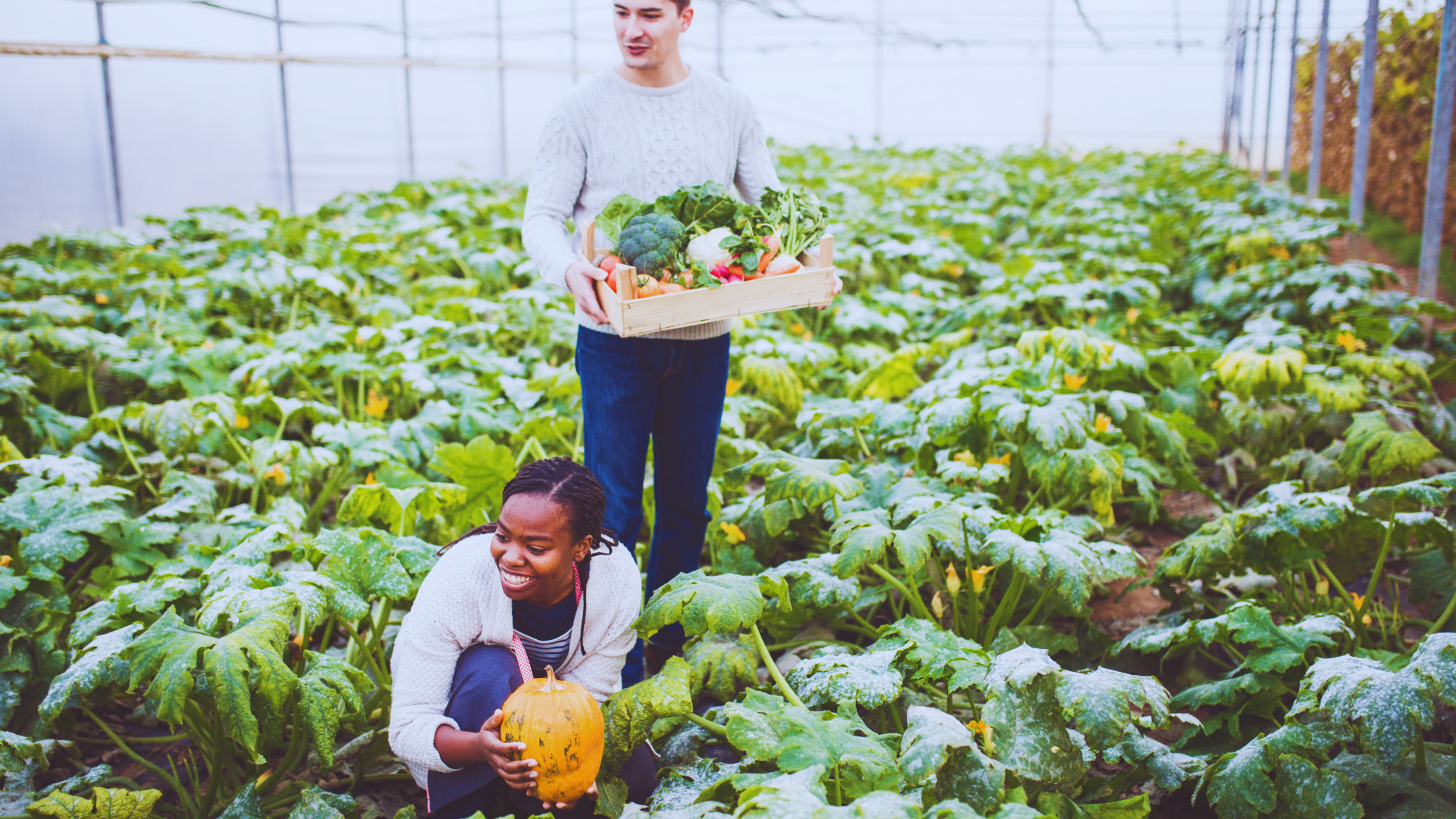
Growing your food offers a rewarding and sustainable way to nourish both the body and mind. To successfully cultivate a productive garden, individuals should start with easy-to-grow plants that thrive in their local climate and soil conditions. This approach not only minimizes frustration but also maximizes the joy of watching one’s efforts flourish.
In addition to selecting the right crops, understanding basic gardening techniques can greatly impact results. Techniques such as crop rotation, companion planting, and organic pest control can help create a thriving garden ecosystem. Those who invest time in learning these skills often find greater satisfaction in their gardening journey.
This blog post will delve into practical tips that make growing food accessible to everyone, regardless of their gardening experience. By breaking down essential practices and offering guidance, it aims to inspire readers to embrace the benefits of home-grown produce.
Getting Started with Home Gardening
Home gardening can be a rewarding way to grow fresh food. It involves careful consideration of location, soil quality, plant selection, and layout planning.
Choosing the Right Location
Selecting the right location for a garden is crucial. Areas that receive full sunlight for at least six to eight hours a day are ideal for most vegetables. A south-facing spot works best. It’s important to avoid shaded areas, especially those cast by trees or buildings. Proximity to a water source simplifies irrigation. Additionally, convenient access to maintenance will encourage regular care.
Lastly, consider drainage; poorly drained areas can lead to root rot. Conducting a simple drainage test can help assess this. Dig a hole, fill it with water, and check how quickly the water drains. Beyond just garden beds, effective water management is crucial for the longevity and safety of surrounding hardscape elements like patios, driveways, and walkways. Surface water runoff from these areas, if not properly directed, can lead to significant issues such as foundation damage, erosion, and hazardous pooling. Implementing robust hardscape drainage solutions is essential to prevent these problems, ensuring water is efficiently channeled away. Proper planning for water runoff around all outdoor constructed areas safeguards your property and enhances its usability.
Understanding Soil Quality and Preparation
Soil quality significantly impacts plant health. A soil test is essential to determine pH and nutrient levels. Most vegetables prefer slightly acidic to neutral soil (pH 6.0-7.0). Once the test is complete, amendments may be necessary. Organic matter, like compost, enriches soil and improves drainage. Loamy soil, a mix of sand, silt, and clay, holds nutrients and moisture well. Before planting, remove weeds and debris. Tilling the soil will aerate it and allow for the incorporation of organic matter. Properly preparing the soil sets a strong foundation for plants to thrive.
Selecting What to Grow
First-time gardeners should consider their climate and growing season. Start with easy-to-grow plants such as lettuce, radishes, or herbs like basil and parsley. Choosing starter plants from local nurseries also increases the chances of success. These plants are often suited to local conditions. Seasonal crop calendars can help determine the best times to plant. It’s wise to grow a mix of vegetables that will result in a varied diet. This maximizes the use of the garden space while ensuring a more fulfilling harvest.
Planning Your Garden Layout
Creating a garden plan is essential. A layout helps maximize space, ensuring each plant gets adequate sunlight and air circulation. Square foot gardening is an efficient method where each square foot hosts a different plant, optimizing yield. Raised beds can help define areas and improve drainage.
Additionally, companion planting may enhance growth. For example, planting carrots next to onions can deter pests. Drawing a simple diagram can clarify the arrangement and help visualize the growth process.
Enhancing Plant Growth and Health
Improving plant growth and health requires a multifaceted approach. Key factors include composting, proper watering and mulching techniques, the effective use of fertilizers, and practices for managing pests. Each of these aspects plays a critical role in ensuring plants thrive in home gardens.
The Importance of Composting
Composting enriches soil and promotes healthy plant growth. It is a process that turns organic waste into nutrient-rich compost. This compost acts as a natural fertilizer, supporting soil structure and moisture retention.
To start composting, one should combine green materials (like kitchen scraps) with brown materials (such as dried leaves). Maintaining a proper balance of nitrogen and carbon is vital for effective decomposition.
Adding compost enhances microbial activity, which benefits plant roots. Healthy soil teeming with microorganisms improves nutrient absorption and helps suppress diseases. Regularly adding compost can significantly increase crop yield.
Watering and Mulching Techniques
Proper watering is essential for plant health. Deep, infrequent watering encourages roots to grow deeper, making plants more drought-resistant. It is crucial to water early in the morning or late in the afternoon to reduce evaporation.
Mulching is an effective practice that helps retain soil moisture, suppress weeds, and regulate temperature. Organic mulches, like straw or wood chips, decompose over time, adding nutrients back into the soil.
A layer of mulch, about 5-7 cm thick, helps prevent soil erosion while maintaining moisture levels. Regularly checking soil moisture beneath the mulch ensures plants receive adequate water without risk of over-watering.
Utilizing Fertilisers Correctly
Fertilizers provide essential nutrients to plants, promoting strong growth and improved yields. They contain primary nutrients such as nitrogen, phosphorus, and potassium, which are vital for various plant functions. Understanding soil composition is important before applying fertilizers. Conducting a soil test can guide the selection of the right fertilizer type and application rate.
Applying fertilizers at the right time, ideally during the growing season, ensures that plants can utilize the nutrients effectively. It is beneficial to follow recommendations on the packaging to avoid over-fertilization, which can harm plants and the environment.
Practices for Pest Management
Pest management is crucial for maintaining plant health. Regular monitoring allows gardeners to identify pest issues early. Introducing natural predators, such as ladybugs and lacewings, can keep pest populations under control. However, if specific pest issues such as wasp or bee colonies emerge in the garden, then the intervention of a fast bee control service can be necessary, as they can safely eliminate the colonies and ensure the overall health and safety of the garden environment.
Moving on, using companion planting is another effective strategy. Certain plants deter pests or attract beneficial insects, creating a balanced ecosystem in the garden. Organic pesticides should be used judiciously, following instructions for application rates and timing.
Encouraging biodiversity in the garden helps prevent pest outbreaks while promoting overall plant health. Additionally, turning to professional help for Pest Control when natural methods start to fall short can ensure your garden stays healthy and resilient, without disrupting its natural balance. These services often use targeted strategies that manage pests efficiently while minimizing harm to the surrounding environment.
Advanced Techniques for a Productive Garden
Implementing advanced techniques can significantly enhance the productivity of a garden. These methods optimize space, improve soil health, and extend growing seasons.
Exploring Raised Bed Gardening
Raised bed gardening offers several advantages. It improves drainage and soil quality, making it easier to manage soil conditions. Typical dimensions for raised beds are 4 feet wide and 2-3 feet deep, allowing for easy access and planting.
Soil in raised beds warms up faster in spring, enabling earlier planting. This technique also promotes better pest control and reduces soil compaction. Gardeners often enrich the soil with compost and organic materials, providing nutrients directly to plants.
Additionally, planting layouts can be more efficient. Companion planting in raised beds can enhance growth and deter pests. This method creates a micro-environment that allows for better growth rates.
Crop Rotation and its Benefits
Crop rotation is essential for maintaining soil fertility and preventing pest build-up. By changing the types of crops planted in a specific area each season, nutrients are optimally utilized.
For instance, legumes fix nitrogen in the soil, benefitting subsequent crops like tomatoes or peppers. A typical rotation sequence might involve:
- Legumes (e.g. peas, beans)
- Leafy greens (e.g. spinach, kale)
- Fruiting crops (e.g. tomatoes, cucumbers)
- Root vegetables (e.g. carrots, beets)
This strategy disrupts pest life cycles and reduces diseases specific to certain plants. Additionally, rotating crops helps maintain diverse soil microbiomes, fostering healthier plants.
Extending the Season with Greenhouses
Greenhouses are effective for extending the growing season. They provide a controlled environment that protects plants from harsh weather conditions. This allows for earlier planting in spring and extended harvests in autumn.
When using a greenhouse, it’s important to consider ventilation and temperature control. Employing fans or vents helps regulate humidity and temperature. Properly positioned shade cloth can reduce excessive heat and sunlight.
Herbs, vegetables, and even some fruit can thrive in greenhouses. For best results, consider using layers of crops that maximize available space, like growing tomatoes vertically. This not only saves space but can also yield higher production levels.
Growing Fruit Trees and Root Vegetables
Incorporating fruit trees and root vegetables adds diversity and nutrition to a garden. Fruit trees, such as apple or pear, require careful planning for spacing and sunlight. Root vegetables like carrots and potatoes thrive in loose, nutrient-rich soil. Providing adequate space can improve root development and reduce competition for nutrients.
Planting fruit trees in a permaculture style can enhance biodiversity. This method encompasses various plants that support each other, leading to a more resilient ecosystem. Ultimately, interplanting root vegetables with taller crops optimizes vertical space. This strategy prevents overcrowding and encourages better air circulation. Careful planning and integration of these elements can significantly enhance a garden’s productivity.
Adapting to Environmental Changes
As growers become more aware of environmental challenges, particularly climate change, they must implement strategies to adapt. This includes understanding how climate variability affects growing conditions, exploring innovative methods, and applying effective water conservation techniques.
Understanding the Impact of Climate Change
Climate change significantly alters weather patterns, impacting crop growth and yield. Increased temperatures, changing rainfall patterns, and extreme weather events can hinder traditional agricultural practices. For instance, certain crops may require different spacing or planting times due to these shifts.
Growers should monitor local conditions closely, using tools such as weather apps and climate forecasts. This knowledge allows them to make informed decisions about what to plant and when. For example, one can select crop varieties that thrive in warmer conditions or those that require less water. Radishes, known for their fast growth, can be planted earlier in spring, taking advantage of cooler temperatures.
Water Conservation Techniques
Water conservation is critical for sustainable food production, especially as climate change can lead to droughts. Implementing rainwater harvesting systems can significantly reduce reliance on municipal water supplies. These systems collect and store rainwater for later use in irrigating crops.
Drip irrigation systems deliver water directly to plant roots, minimizing evaporation and runoff. This method is more efficient than traditional irrigation methods, particularly during dry spells. On the other hand, for larger lawns or gardens needing broad coverage, sprinkler systems offer an effective way to evenly distribute water over wide areas. Sprinkler systems are convenient and customizable, and when issues arise, professional sprinkler repair in Florida (or elsewhere) can make sure that they can continue operating efficiently to conserve water and support plant health. Mulching around plants can also retain soil moisture, reducing the need for frequent watering. By optimizing water usage, growers can adapt to the changing climate while maintaining healthy crops.
Innovative Growing Methods
Innovative growing methods can help mitigate the effects of environmental changes. Techniques such as vertical gardening and using hanging baskets enable efficient use of space, particularly in urban settings. These methods not only maximize yield but may also protect plants from harsh ground conditions, pests, and diseases.
Hydroponics—growing plants in nutrient solutions without soil—is becoming popular for high-density food production. This approach allows growers to control environmental factors such as light and nutrients, leading to higher yields. Additionally, incorporating companion planting can optimise plant health and productivity through natural pest control and resource sharing.
Leave a Reply