
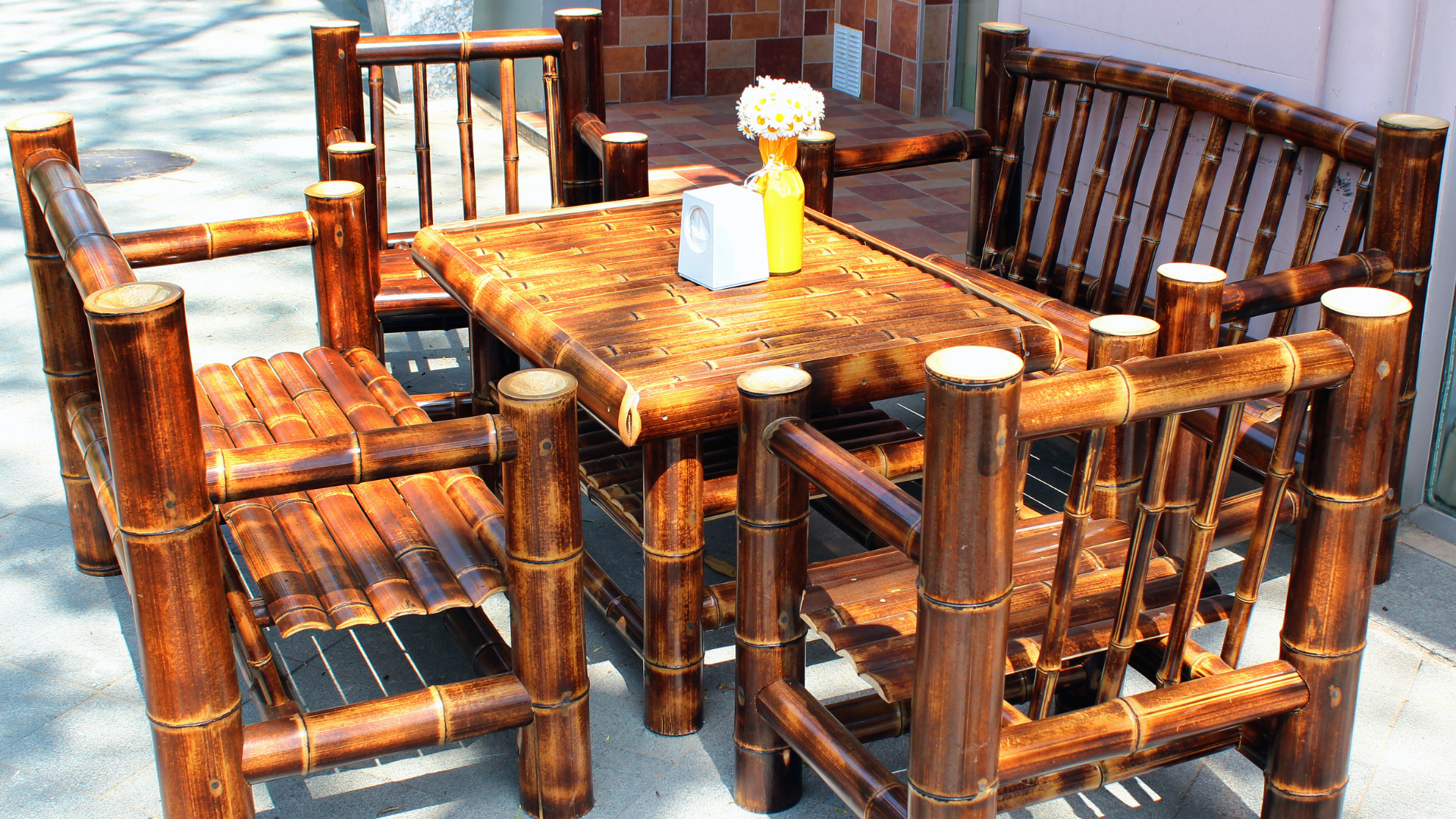
Sustainable decor ideas are becoming increasingly popular as individuals seek to create eco-friendly homes while minimising their environmental impact. Utilising sustainable materials, reducing waste, and incorporating plants can transform any space into a stylish sanctuary that aligns with sustainable living principles. By choosing decor items that are both environmentally friendly and aesthetically pleasing, one can support a healthier planet.
The trend towards environmental sustainability is not just about aesthetics; it reflects a growing awareness of the need for conscious consumerism. Incorporating elements like vintage furniture or handmade items can not only beautify a home but also reduce the carbon footprint associated with new production processes. Also, it is noteworthy that alongside interior decor choices, outdoor features can also positively impact sustainability and overall property appeal. For instance, incorporating retaining wall landscaping for sloped or uneven areas can help prevent soil erosion, improve drainage, and create usable outdoor spaces, while similar solutions like permeable pathways or raised garden beds can further support environmentally responsible landscaping.
In addition to promoting ethical consumption, sustainable home decor encourages creativity and individuality. DIY projects using recycled materials can add a personal touch while helping to divert waste from landfills. Adopting these practices not only enhances the home environment but also contributes to a larger movement towards a more sustainable future.
Principles of Sustainable Home Decor
Sustainable home decor focuses on reducing environmental impact while enhancing aesthetics and comfort. Key principles involve the use of eco-friendly materials, promoting recycling, supporting local craftsmanship, and incorporating nature into design.
Understanding Sustainable Materials
Sustainable materials are derived from renewable resources and are non-toxic. These materials include bamboo, cork, reclaimed wood, and organic textiles. They are produced in a manner that conserves resources and minimises greenhouse gas emissions.
Using sustainable materials helps reduce harmful environmental effects. When selecting items, consider certifications like FSC (Forest Stewardship Council) for wood products and GOTS (Global Organic Textile Standard) for fabrics. Choosing products that have a low carbon footprint ensures a healthier indoor environment.
The Importance of Upcycling and Recycling
Upcycling involves creatively transforming old items into something new and functional. This practice helps divert waste from landfills, reduces the demand for new materials, and saves energy.
Recycling also plays a vital role in sustainable decor. It provides a way to repurpose materials that otherwise would contribute to waste. Using recycled glass, metal, and paper in home decor not only supports sustainability but also adds a unique touch to spaces.
Supporting Local Artisans and Fair Trade
Purchasing from local artisans and fair trade sources fosters community economies and promotes ethical practices. Local craftsmen often use sustainable materials, ensuring the products have a lower environmental impact.
Fair trade certification guarantees that artisans receive fair compensation, and it helps support sustainable production practices. By choosing these items, consumers contribute to social responsibility, making their decor choices meaningful and impactful.
Incorporating Biophilic Design
Biophilic design focuses on connecting indoor spaces with nature. This can be achieved through natural light, indoor plants, and organic shapes. Integrating elements of nature enhances well-being and creates a calming atmosphere.
Some examples include using plant walls, materials that mimic natural textures, and large windows to increase natural light. That said, when designing with features such as expansive windows, it is important to consider how natural light changes throughout the day. Without proper management, excessive brightness, glare, or heat gain can often affect overall comfort.
Therefore, integrating practical solutions such as installing Custom Blinds allows for better control of light and privacy while still maintaining a strong visual connection to the outdoors. In this way, the space remains both functional and aligned with the calming principles of biophilic design.
Selecting Sustainable Furniture and Decor
When considering sustainable decor, selecting the right furniture and decor items is crucial. This involves understanding materials, exploring reclaimed options, and valuing handmade products.
Choosing Eco-Friendly Materials
Eco-friendly materials are vital in sustainable decor. Look for options like bamboo, which grows rapidly and requires minimal resources. It is both durable and stylish, suitable for furniture and decorative pieces.
Other materials to consider include reclaimed wood. This not only preserves existing resources but also adds unique character to items. Furniture made from recycled metals or plastics significantly reduces waste and supports a circular economy.
It is essential to check for certifications. Products marked with labels such as Forest Stewardship Council (FSC) or Global Organic Textile Standard (GOTS) ensure that materials meet high environmental standards.
Investing in Reclaimed and Recycled Products
Reclaimed wood furniture provides a sustainable choice, offering durability and a distinct aesthetic. Many companies specialise in crafting unique items from salvaged wood. Each piece tells a story and reduces the need for new material extraction.
In addition, products made from recycled materials are increasingly popular. These can include items crafted from repurposed plastics or metal. Investing in such products supports the reduction of landfill waste.
Exploring local artisans and stores that focus on reclaimed and recycled items can yield high-quality finds. This not only enhances individual decor styles but also promotes local economies and sustainability.
Benefits of Handmade and Custom Items
Handmade and custom furniture or decor items often have unique qualities that mass-produced items lack. Purchasing handmade products supports artisans who prioritise sustainability in sourcing and production.
Custom furniture enables individuals to design pieces that suit their specific needs while utilising responsible materials. This approach reduces waste and ensures higher quality craftsmanship.
Additionally, handmade products often feature local or organic materials, further contributing to sustainability. Investing in these items can result in a more personalised and environmentally conscious home.
Enhancing Sustainability Through Home Textiles and Fabrics
Sustainable decor can be significantly advanced through the careful selection of home textiles and fabrics. Choosing materials that are eco-friendly not only reduces environmental impact but also enhances the overall aesthetic and comfort of a living space.
Organic Cotton, Linen, and Hemp
Organic cotton is cultivated without harmful pesticides and synthetic fertilisers, making it a healthier choice for the environment. It is soft, durable, and breathable, suitable for various applications such as bedding and upholstery.
Linen, made from the flax plant, is another sustainable fabric option boasting low environmental impact due to the plant’s minimal water requirements. It is naturally biodegradable and has excellent breathability, making it ideal for hot climates.
Hemp ranks as one of the most sustainable fibres available. It requires little water, thrives without chemical pesticides, and grows quickly. Hemp textiles are robust and become softer with each wash, providing both longevity and comfort.
Utilising Natural Fibres in Rugs and Textiles
Natural fibres like jute, sisal, and wool are excellent choices for rugs and other textiles. Jute is biodegradable and renewable. Its versatility allows it to be used for various rug styles, from shaggy to flatweave.
Sisal, derived from agave plants, is durable and resistant to degradation, making it suitable for high-traffic areas. Wool, a renewable resource, is naturally fire-resistant and insulating, contributing to energy efficiency in homes.
Utilising these fibres supports sustainable practices, as they require fewer resources and chemicals compared to synthetic alternatives. They also enhance indoor air quality by absorbing moisture and regulating humidity.
The Role of Eco-Friendly Curtains and Blinds
Selecting eco-friendly curtains and blinds can further promote sustainability in home decor. Many brands offer products made from recycled materials or organic fabrics such as bamboo and organic cotton.
Bamboo is fast-growing and requires little water, making it a highly sustainable resource. Organic cotton curtains provide excellent light control while ensuring a non-toxic environment.
When choosing blinds, consider options made from sustainable woods or recycled materials. These alternatives combine style with eco-consciousness and can significantly reduce energy consumption by improving insulation.
Implementing these textiles in home decor creates a harmonious balance between sustainability and functionality.
Optimising Home Environment for Sustainability
Creating a sustainable home involves practical choices that enhance energy efficiency, improve indoor air quality, and make the best use of natural resources. The following components contribute significantly to achieving a sustainable and healthy living environment.
Energy-Efficient and LED Lighting Solutions
Switching to energy-efficient lighting, particularly LED bulbs, is a simple yet impactful change. LEDs use up to 80% less energy than traditional incandescent bulbs and have a much longer lifespan.
In addition to reducing electricity consumption, LED lighting produces minimal heat, decreasing cooling costs in warmer seasons. By considering smart lighting systems, users can further optimise energy usage through timed schedules and motion sensors. Incorporating solar-powered lights for outdoor spaces can enhance energy conservation and lower utility bills.
Proper insulation is another essential component of an energy-efficient and sustainable home. Attic insulation, in particular, plays a critical role in regulating indoor temperatures by preventing heat loss during colder months and reducing heat gain in warmer seasons. This not only enhances overall comfort but also significantly lowers energy consumption and utility costs. Investing in high-quality attic insulation in Edmonton or elsewhere is especially beneficial in regions with extreme weather conditions, as it helps maintain consistent indoor temperatures while reducing the strain on heating and cooling systems. Over time, this contributes to both environmental sustainability and long-term cost savings.
Non-Toxic Paints for Healthier Indoor Air Quality
Choosing eco-friendly paints can significantly improve indoor air quality. Traditional paints release volatile organic compounds (VOCs), which can affect health over time. Non-toxic paints are specifically formulated to limit these harmful emissions, ensuring a safer environment.
When selecting paint, look for options labelled as low-VOC or zero-VOC. These paints come in various finishes and colours, ensuring aesthetic appeal without compromising health. Additionally, using natural pigments and binders reinforces sustainability and supports environmentally friendly practices.
Utilising Natural Light and Water-Efficient Fixtures
Maximising natural light not only reduces reliance on artificial lighting but also enhances the overall ambience of a space. Strategically placing mirrors and using light-coloured furnishings can improve light distribution throughout interior spaces. Installing larger windows or skylights allows for abundant natural light to enter, creating a warm and inviting atmosphere.
Seeing these products in person helps homeowners understand the quality and finish of different frame materials. Many people find that visiting a local display area is a good way to test how various bi-fold doors and window styles operate. For those living in the area, companies like https://www.hadleighglass.co.uk/showrooms/hadleigh-suffolk/ have a range of double glazing and conservatory options on view. This location, and others like it, have staff available to talk about specific home improvement needs. It is a helpful way to compare different glass types and door security features before making a final choice.
Beyond aesthetics and illumination, the quality of these installations plays a crucial role in a home’s overall energy performance and safety. High-performance windows and doors, for instance, are engineered to provide superior insulation, significantly reducing heating and cooling demands throughout the year. This not only contributes to lower utility bills but also enhances indoor comfort by maintaining stable temperatures and blocking external noise.
For homeowners in regions prone to severe weather, investing in robust, hurricane-rated options from a trusted window and door company offers invaluable peace of mind and protection. Such upgrades represent a significant step towards creating a truly resilient and sustainable living space that prioritizes both environmental responsibility and occupant safety.
In terms of water efficiency, choosing water-efficient fixtures can lead to significant reductions in water usage. Low-flow taps, dual-flush toilets, and water-saving showerheads contribute to conservation efforts. These fixtures maintain performance while using less water, benefiting both the environment and household expenses.
Leave a Reply