
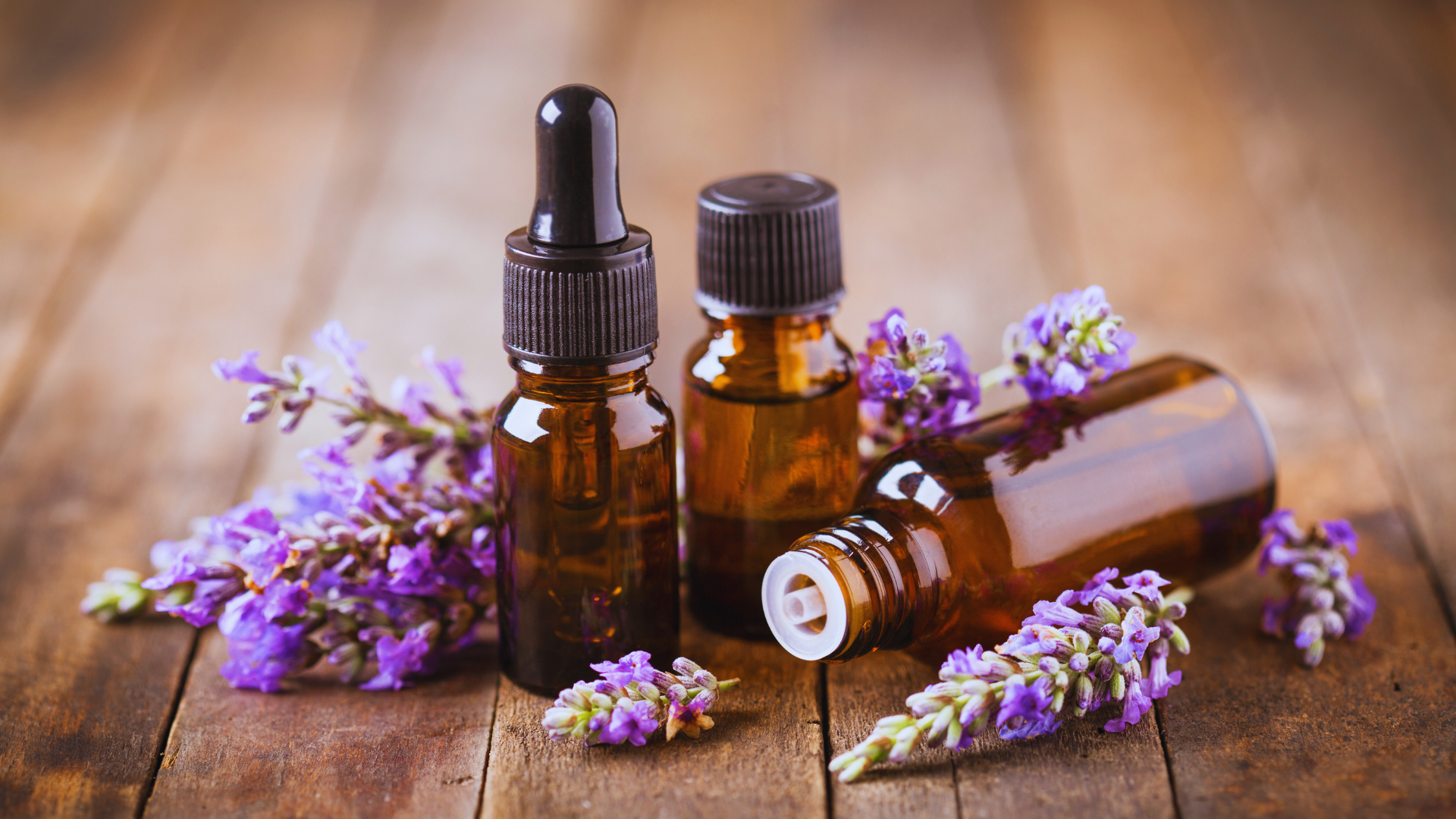
Aromatherapy plays a significant role in holistic health by utilising essential oils to enhance physical and emotional well-being. These natural compounds can be integrated into daily routines, providing benefits such as stress relief, improved mood, and better sleep quality. As individuals seek comprehensive approaches to health, the incorporation of aromatherapy offers an accessible and enjoyable method to support overall wellness.
Incorporating essential oils can allow individuals to tailor their experiences based on personal preferences and specific health needs. Whether through diffusers, topical applications, or simple inhalation, the therapeutic properties of various oils can create a multi-faceted approach to well-being. This adaptability makes aromatherapy a valuable addition to the holistic health landscape, appealing to those interested in exploring natural remedies.
The growing interest in holistic health continues to highlight the importance of alternative therapies like aromatherapy. As research into the efficacy of essential oils expands, so does the understanding of how they can contribute to a balanced lifestyle. The exploration of this ancient practice reveals its modern relevance, fostering a deeper connection between mind, body, and spirit.
Fundamentals of Aromatherapy
Aromatherapy involves using natural plant extracts for therapeutic purposes. Key components include the historical context, sources of essential oils, and the interaction between the olfactory and limbic systems.
Historical Background and Principles
Aromatherapy has roots in ancient civilisations, including the Egyptians, Greeks, and Chinese, who utilised aromatic plants for medicinal and religious purposes. The extraction of essential oils became prominent in the Middle Ages, aided by developments in distillation techniques.
The core principle of aromatherapy lies in the belief that essential oils carry therapeutic properties. These oils contain a complex chemical composition that interacts with the body on a physiological level. Different oils can have effects ranging from relaxation to energisation, supporting various aspects of holistic health, including emotional balance and physical wellness.
Essential Oils and Their Sources
Essential oils are derived from aromatic plants through methods such as steam distillation and cold pressing. Common sources include flowers, leaves, stems, and roots.
Each essential oil possesses unique therapeutic properties. For example, lavender is known for its calming effects, while eucalyptus serves as a respiratory aid. Understanding the source and use of essential oils is vital for effective application in healthcare practices. Below is a table outlining a few popular essential oils:
|
Essential Oil |
Source Plant | Key Properties |
|
Lavender |
Lavandula angustifolia | Calming, aids sleep |
|
Peppermint |
Mentha piperita |
Energising, digestive support |
| Tea Tree | Melaleuca alternifolia |
Antimicrobial, skin care |
Understanding Olfactory and Limbic Systems
The olfactory system is integral to how individuals perceive scents. When essential oils are inhaled, molecules stimulate the olfactory receptors in the nose, sending signals directly to the limbic system in the brain.
The limbic system plays a crucial role in regulating emotions and memories. This connection is why scents can evoke strong emotional responses or memories. Aromatherapy utilises this relationship to foster relaxation, alleviate stress, and support emotional well-being. The efficacy of aromatherapy often hinges on this intricate interaction between scent and emotional response.
Aromatherapy Applications and Techniques
Aromatherapy employs various methods for application and integration into holistic practices. Different techniques enhance therapeutic effects and promote wellness, catering to individual preferences and needs.
Methods of Inhalation and Diffusion
Inhalation serves as a primary method for experiencing the benefits of essential oils. Options include steam inhalation, where a few drops of essential oil are added to hot water. This method allows aromatic molecules to enter through the respiratory system, promoting relaxation and alleviating nasal congestion.
Diffusion through essential oil diffusers is another effective technique. These devices disperse essential oils into the air, creating an aromatic environment. Terracotta diffusers and nebulisers offer varied experiences. For instance, nebulisers create a fine mist of pure essential oils, enhancing the sensory experience. Inhalation can also be done through direct methods, such as placing a drop on a tissue or using an aroma stick.
Topical Applications in Massage Therapy
Topical applications are widely recognised in massage therapy, allowing essential oils to penetrate the skin. Users often combine essential oils with carrier oils, such as sweet almond or jojoba, to create personalised massage oils. This method not only provides the benefits of essential oils but also aids in relaxation and stress relief.
Massage therapists may tailor the application of oils based on the client’s needs, targeting specific issues like muscle tension or anxiety. Techniques such as Swedish or deep tissue massage can incorporate essential oils for enhanced benefits. Application during massage encourages absorption through the skin and stimulates olfactory receptors for a holistic experience.
Integrating with Complementary Therapies
Aromatherapy synergises effectively with complementary therapies, enhancing overall wellness. Acupuncture practitioners may use essential oils to magnify the effects of treatment. For example, incorporating lavender or chamomile can promote relaxation during acupuncture sessions.
Clinical aromatherapy plays a vital role in formal healthcare settings, where practitioners work alongside medical professionals. The combination of aromatherapy with phytotherapy provides a comprehensive approach to patient care. This integration can support emotional health, pain management, and recovery processes. It offers patients multiple avenues to engage with their health and wellness journeys effectively.
Health Benefits of Aromatherapy
Aromatherapy offers various benefits for mental and emotional well-being, as well as physical health. Its ability to influence mood and promote relaxation plays a significant role in enhancing overall quality of life.
Mental and Emotional Well-being
Aromatherapy is known for its ability to alleviate stress and anxiety. Scents like lavender and bergamot can reduce cortisol levels, thereby promoting relaxation. Studies have shown that inhalation of these essential oils leads to improved mental clarity and concentration.
Beyond these well-known options, other unique essential oils can also offer profound calming effects. For instance, options like pure blue lotus oil, derived from the Nymphaea caerulea flower, are often revered for their ability to induce deep relaxation and promote a sense of tranquility.
Furthermore, aromatherapy can enhance sleep quality. Oils such as chamomile and sandalwood have soothing properties that help individuals achieve deeper sleep. Evidence supports the use of these oils for fostering better sleep habits, particularly in those who struggle with insomnia.
Additionally, aromatherapy can positively impact emotional health. Studies suggest it may help elevate mood and combat feelings of depression. The therapeutic effects of specific scents can influence neurotransmitter activity, thereby improving overall emotional well-being.
Physical Health and Immune Support
In terms of physical health, aromatherapy can support the immune system. Essential oils like eucalyptus and tea tree possess anti-inflammatory properties that can improve immune function. Clinical trials have indicated that these oils may reduce inflammation and promote circulation.
Aromatherapy can also aid in pain management. Oils such as peppermint and ginger have been found effective in reducing discomfort from headaches and muscle tension. Their application typically results in enhanced blood flow, which contributes to quicker recovery from physical strain.
Moreover, regular use of aromatherapy can bolster immune health by reducing stress and related ailments. Lower stress levels are associated with better immune response, reinforcing the importance of relaxation techniques in maintaining physical health.
Considerations for Effective Practice
When engaging in aromatherapy as part of holistic health, several key considerations ensure safe and effective use. These include understanding safety guidelines, selecting high-quality products, and recognising the importance of clinical evidence supporting therapeutic benefits.
Safety Guidelines and Potential Risks
Practitioners should prioritise safety when incorporating essential oils in daily life. It is vital to dilute concentrated oils before application to the skin, typically with a carrier oil, to avoid irritation or allergic reactions. Some essential oils may cause toxicity, particularly in children, pregnant women, or individuals with certain health conditions.
Always conduct a patch test before widespread use. Inhaling essential oils can trigger respiratory issues in sensitive individuals, so proper ventilation is essential. Consulting with a qualified practitioner can further minimise risks associated with specific oils and their therapeutic applications.
Quality of Essential Oils and Blends
The efficacy of aromatherapy largely relies on the quality of essential oils used. Pure oils derived from medicinal plants contain potent phytochemicals, offering various therapeutic benefits, such as antimicrobial properties and emotional balance. Consumers should choose oils that are organic, sustainably sourced, and tested for purity.
Look for third-party testing certifications that confirm the absence of additives or synthetic ingredients. High-quality oils not only enhance holistic wellness but also provide better self-care results for conditions like muscle pain, depression, and sleep improvement.
Role of Clinical Research and Evidence
Clinical research is crucial in understanding the therapeutic use of aromatherapy. Studies have shown specific essential oils can alleviate physical ailments, improve emotional balance, and reduce stress levels. Additionally, evidence supports their antioxidant properties, combating oxidative stress and free radicals.
Practitioners should stay informed about recent findings to optimise the use of aromatherapy in holistic healing practices. Within the framework of Ayurveda and other traditional approaches, integrating scientific evidence can enhance the understanding of how essential oils contribute to holistic health and well-being.
Leave a Reply