
Comfort food often serves as more than just a meal; it can play a significant role in emotional well-being. People tend to reach for familiar, tasty dishes during stressful or challenging times because these foods can trigger comforting memories and feelings of safety.
The link between comfort food and emotional health lies in how certain foods activate brain chemicals that improve mood and reduce stress. This biological response can offer temporary relief from negative emotions, although it can also lead to unhealthy eating habits if relied on too heavily.
Understanding why comfort food affects emotions helps people recognise their eating patterns and make more mindful choices. Exploring this connection sheds light on the complex relationship between diet and mental health.
How Comfort Food Influences Emotional Health
Comfort food affects emotional health by interacting with both psychological factors and biological processes. It can temporarily alleviate feelings of stress or anxiety through specific brain chemicals and behavioural responses linked to mood regulation.
The Psychology of Comfort Eating
Comfort eating often arises from a desire to reduce negative emotions such as stress, loneliness, or sadness. People may turn to familiar, high-calorie foods to recreate feelings of safety or nostalgia.
This behaviour is linked to learned associations, where certain foods become cues for emotional relief. It is not simply about hunger but a coping strategy to manage difficult emotions.
Individuals with mood disorders like depression may be more prone to emotional eating as a way to temporarily improve their mood or distract from distress. The psychological comfort relies heavily on personal memories and social context.
Neurotransmitters and Hormones in Comfort Food Consumption
Comfort food consumption affects key neurotransmitters such as dopamine, which is tied to pleasure and reward. Eating sugary or fatty foods causes a dopamine release, giving a temporary feeling of happiness or satisfaction.
Cortisol, a stress hormone, can increase cravings for comfort food during periods of heightened stress or anxiety. Elevated cortisol levels prompt a physiological drive for energy-dense food as a form of self-soothing.
Other hormones like serotonin also play a role; certain comfort foods may boost serotonin production, impacting mood regulation. These biochemical changes partially explain why comfort eating can feel calming.
Emotional Triggers and Eating Behaviour
Emotional triggers for comfort eating include stress, anxiety, boredom, and feelings of depression. These states often lead to an unconscious response to seek out specific foods that offer immediate sensory pleasure.
Eating in response to emotion rather than hunger can create a cycle where temporary relief reinforces the habit. Over time, this behaviour can influence mental well-being negatively if comfort eating replaces healthier coping mechanisms.
It is important to recognise how emotional states drive food choices, as this can aid in developing healthier strategies to manage mood without relying excessively on comfort food.
The Impact of Dietary Choices on Mental Well-being
Diet directly influences mental well-being through multiple biological pathways. Nutrient intake affects brain function, mood stability, and cognitive clarity, making dietary choices critical for emotional health. Key factors include blood sugar balance, protein consumption, healthy fats, and hydration.
Blood Sugar Regulation and Mood
Stable blood sugar levels are vital for consistent mood and cognitive function. Consuming wholegrains and fibres slows glucose absorption, preventing sharp spikes and crashes that can cause irritability or fatigue.
Unstable blood sugar may trigger stress responses, increasing cortisol and negatively impacting mental health. Balanced meals help maintain energy and support emotional regulation throughout the day.
Avoiding excessive sugars and refined carbs reduces mood swings. Integrating complex carbohydrates, alongside proteins, sustains glucose and supports brain activity.
Role of Protein and Amino Acids
Proteins provide amino acids essential for neurotransmitter synthesis, including serotonin and dopamine. These neurotransmitters regulate mood, motivation, and stress responses.
Adequate protein intake from sources like lean meats, legumes, and dairy supports mental health. Amino acids such as tryptophan specifically influence serotonin production, linked to feelings of well-being.
A diet lacking in protein may impair neurotransmitter balance, exacerbating anxiety and depression. Consistent protein helps stabilise mood and cognitive function.
Healthy Fats and Brain Function
Omega-3 fatty acids, found in oily fish and flaxseeds, strongly support brain function. They contribute to neuronal membrane structure, influencing communication between brain cells.
Adequate intake of healthy fats is linked to improved memory, focus, and mood regulation. These fats help reduce inflammation implicated in some mental health conditions.
Limiting trans fats and saturated fats is vital, as these can impair brain function and increase the risk of mood disorders. Incorporating omega-3s into a balanced diet supports mental resilience.
Hydration and Mental Clarity
Water intake significantly impacts brain performance and emotional health. Dehydration can cause impaired concentration, mood disturbances, and increased perception of stress.
Drinking adequate water supports digestion and nutrient absorption, which in turn sustains brain function. Moderate caffeine from tea or coffee may aid alertness, but excessive amounts can disrupt sleep and increase anxiety.
Maintaining hydration through water is essential for mental clarity and overall brain health. Regular fluid intake forms a basic but crucial part of emotional well-being.
Nutritional Patterns: From Comfort Food to Balanced Diets
Nutritional choices impact emotional well-being and physical health significantly. Transitioning from typical comfort foods to more balanced diets can influence mental clarity, energy levels, and risk factors for chronic diseases such as diabetes and heart disease.
Mediterranean Diet and Mental Health
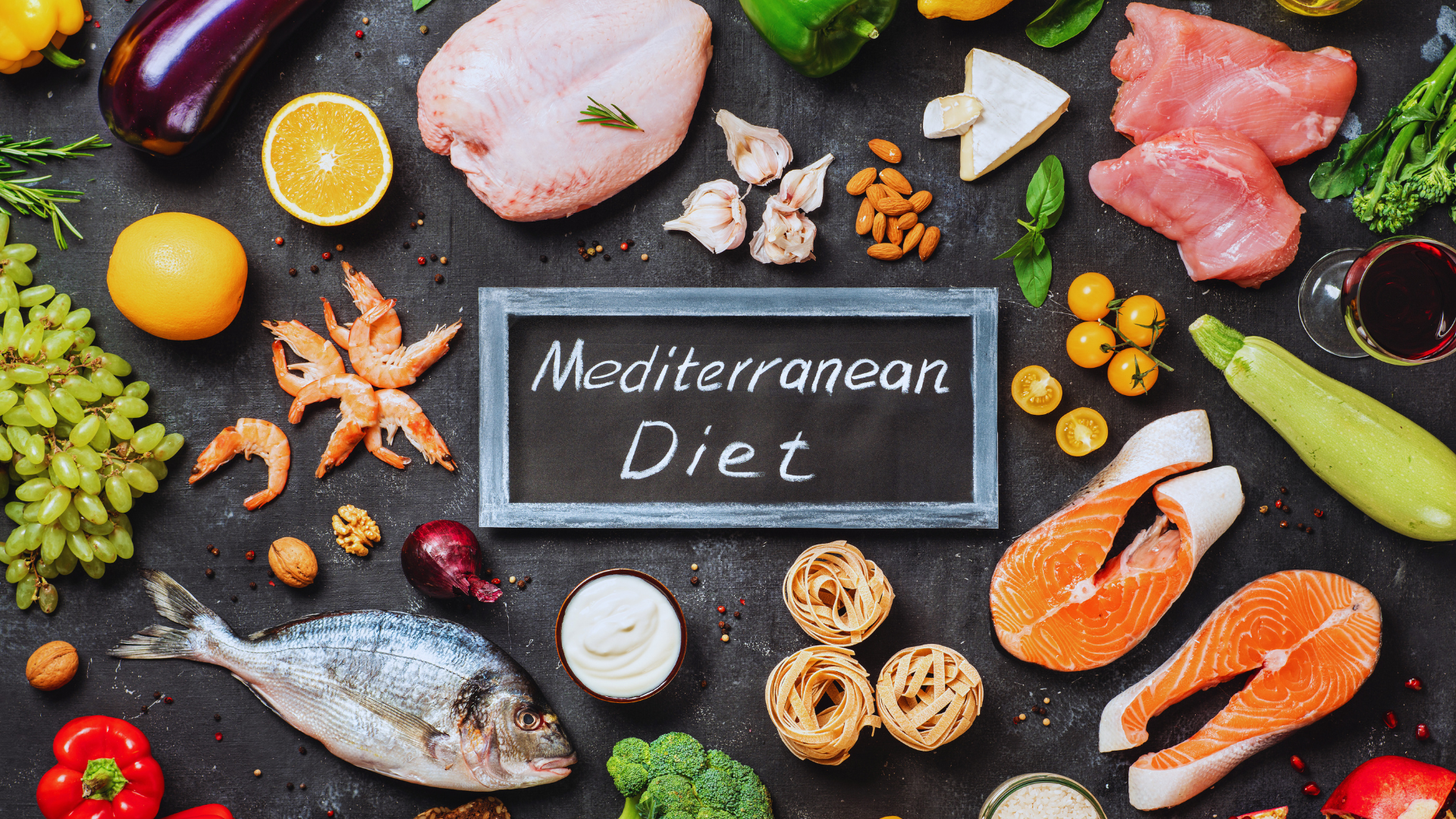
The Mediterranean diet emphasises fruits, vegetables, fish, legumes, and healthy fats, such as olive oil. Studies have linked adherence to this diet with lower rates of depression and better cognitive function. Its high content of omega-3 fatty acids from fish supports brain health and reduces inflammation.
Regular consumption of whole grains and pulses in this diet contributes to steady blood sugar levels, stabilising mood and energy. Cheese and moderate wine intake can be included, but usually in limited amounts, avoiding excess saturated fats. This eating pattern also promotes a healthy BMI, reducing risks of obesity-related mental health issues.
Benefits of Fruits, Vegetables, and Pulses
Fruits, vegetables, and pulses provide essential vitamins, minerals, and fibre critical for brain function and emotional regulation. Nutrients like folate, vitamin C, and antioxidants help reduce oxidative stress linked to mood disorders. Pulses such as lentils and beans offer a slow energy release, preventing blood sugar spikes that can cause irritability or fatigue.
High intake of these foods supports gut health, which recent studies connect to mental health through the gut-brain axis. Their low caloric density aids in maintaining a healthy weight and prevents comorbid physical illnesses like diabetes, which can also affect emotional health.
Influence of Processed and High-Fat Foods
Processed foods, crisps, and high-fat items often consumed as comfort foods tend to be high in sugar, salt, and unhealthy fats. These elements are associated with increased inflammation, weight gain, and poorer metabolic health. Frequent consumption can contribute to obesity, diabetes, and heart disease—all factors known to negatively impact mood and emotional stability.
Studies show diets rich in processed foods can increase the risk of depression and anxiety. High BMI linked to such diets may worsen self-esteem and psychological well-being. Reducing processed food intake and replacing it with nutrient-dense alternatives supports healthier eating habits and better emotional health.
Leave a Reply