
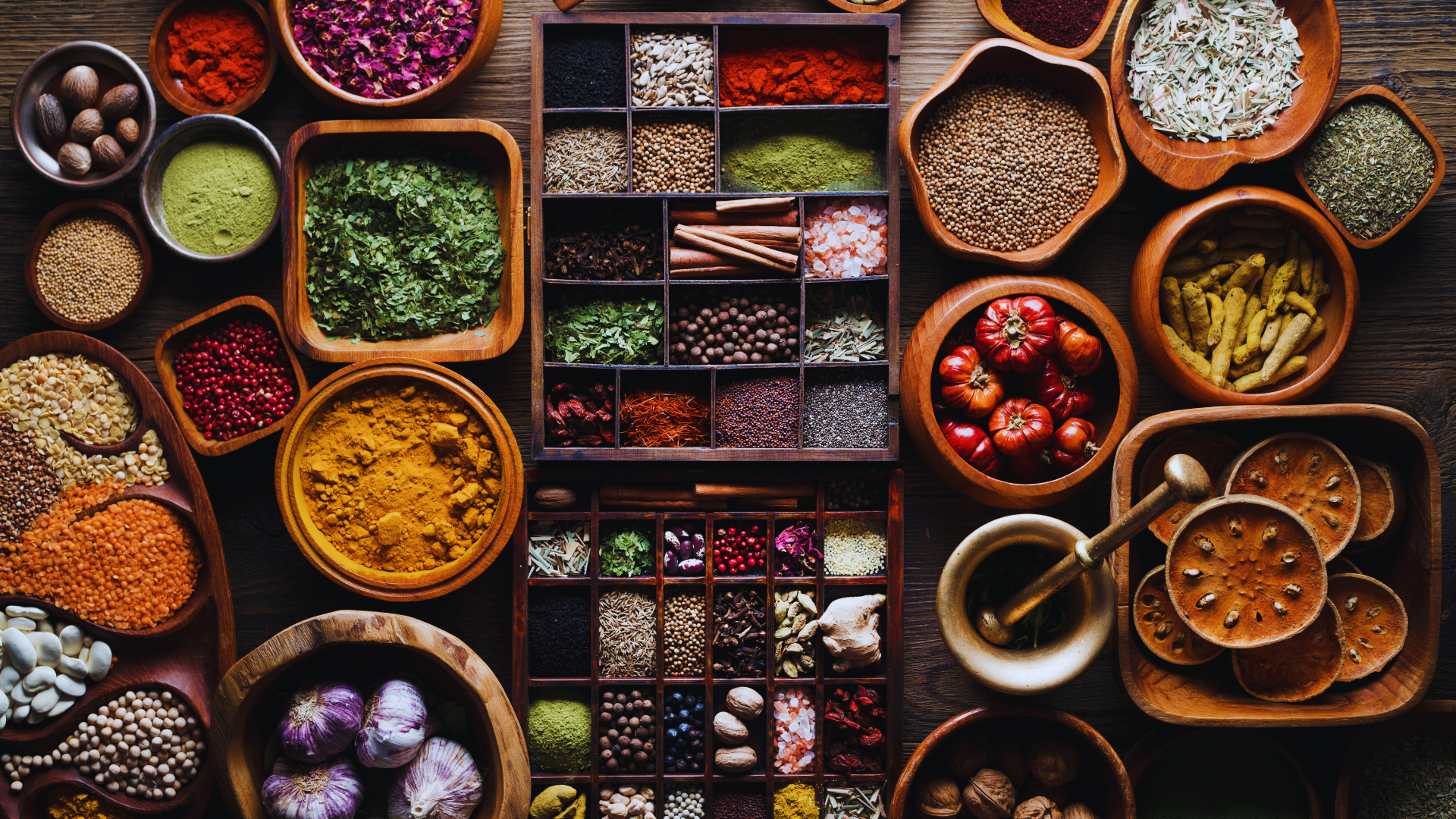
Many people believe simplifying their diet means sacrificing flavour, but this is a misconception. A straightforward approach to meals can still deliver satisfying and tasty food without unnecessary complexity. The key is focusing on fresh ingredients, balanced flavours, and simple cooking techniques that enhance natural tastes.
By reducing reliance on processed foods and emphasising herbs, spices, and basic cooking methods, anyone can create meals that are both wholesome and enjoyable. This approach not only makes meal preparation easier but also keeps flavour at the forefront.
Adopting a simpler diet doesn’t require bland or boring food. It involves understanding how to combine ingredients thoughtfully, allowing flavour to shine through with minimal effort.
Fundamental Strategies for Simplifying Your Diet Without Sacrificing Flavour
Successful simplification focuses on using key ingredients and techniques that maintain taste while improving nutritional quality. It relies on smart choices like fresh herbs, nutritious foods, and effective cooking methods to keep meals enjoyable yet straightforward.
Embracing Fresh Herbs and Spices
Using fresh herbs and spices transforms simple meals into flavourful dishes without adding complexity. Basil, rosemary, and cilantro provide bright, fresh notes that enhance proteins and vegetables naturally.
Spices like turmeric and cinnamon introduce warmth and depth while offering health benefits such as anti-inflammatory properties. Incorporating these in measured amounts reduces the need for heavy sauces or excessive salt.
She/he/they should chop herbs last to preserve aroma and add spices early in cooking to develop their flavour fully. This method maximises taste with minimal ingredients and effort.
Choosing Nutritious Ingredients
Selecting whole, nutrient-dense ingredients ensures a balanced diet while keeping meals simple. Lean proteins such as chicken, beans, or fish pair well with colourful vegetables to provide essential vitamins and minerals.
Complex carbohydrates like quinoa or sweet potatoes offer lasting energy and complement herbs and spices without overpowering flavour. Minimising processed foods reduces hidden sugars and salt, supporting healthy eating goals.
A shopping list focused on versatile, fresh ingredients like leafy greens, garlic, and nuts aids in creating quick meals that are both nutritious and tasty.
Smart Cooking Techniques
Adopting efficient cooking techniques helps retain nutrients and intensifies flavours naturally. Methods such as roasting, grilling, or steaming require little preparation but produce satisfying textures and taste.
For example, roasting vegetables with rosemary lightly caramelises sugars, enhancing sweetness without additives. Sautéing with a small amount of healthy oil releases the aroma of spices like turmeric and cinnamon.
Using these methods reduces cooking time and reliance on sauces or condiments, making it easier to maintain a simple, flavourful diet.
Balancing Nutritional Value and Taste
Balancing nutrition and flavour means pairing ingredients that complement both health and palate. Combining protein sources with herbs like cilantro elevates taste while supporting muscle repair and recovery.
Including healthy fats, such as olive oil, not only adds richness but also improves the absorption of fat-soluble vitamins from vegetables. Seasoning with a mix of fresh herbs and warming spices enhances meals without extra calories.
This balance encourages sustainable, healthy eating habits by offering variety and satisfaction through simple, deliberate choices.
Practical Ingredient Swaps for Healthier, Flavourful Meals
Choosing smarter ingredients can keep meals both nutritious and enjoyable. Focusing on nutrient-dense foods with taste enhances dishes without added complexity. Swapping key staples boosts health benefits while maintaining or improving flavour.
Whole Grains Versus Refined Grains
Replacing refined grains with whole grains adds fibre, vitamins, and minerals. Quinoa and brown rice deliver a nutty flavour and chewy texture compared to white rice or simple pasta. Whole grains help with satiety and blood sugar control.
Whole grain options like barley or bulgur can be used in salads or as bases for meals. They absorb sauces well and add depth without needing heavy seasoning. Using whole-grain bread or wraps also increases nutrient intake without altering familiar textures.
Incorporating Healthy Fats and Lean Proteins
Healthy fats such as avocado and olive oil provide flavour and essential fatty acids. Avocado adds creaminess to dishes or spreads, replacing butter or mayonnaise. Lean proteins like chicken breast, turkey, or legumes keep meals light but satisfying.
Including Greek yoghurt as a protein-rich topping or base for dressings adds tang without excessive calories. Nuts and seeds complement meals with healthy fats and crunch. Combining these ingredients balances macronutrients and amplifies flavours naturally.
Natural Alternatives to Sugar and Salt
Natural sweeteners like maple syrup and fresh fruits reduce refined sugar use while offering additional nutrients. Using dark chocolate in desserts adds richness with less sugar compared to milk chocolate. These swaps maintain sweetness with added health perks.
To cut salt, herbs, spices, lemon juice, and garlic provide strong alternatives that boost flavour without increasing sodium. Relying on natural seasonings enhances taste complexity, encouraging less reliance on processed salt-heavy sauces or seasoning blends.
Nutritious Snacks and Simple Sides
Swapping processed snacks with homemade popcorn or sweet potato fries provides fibre and vitamins. Popcorn can be lightly seasoned for a low-calorie, crunchy option. Sweet potato fries offer beta-carotene and natural sweetness when baked.
Simple sides like steamed vegetables or fresh fruit add colour, texture, and essential nutrients. Greek yoghurt can be paired with fruit for a protein-rich snack. These options are easy to prepare and support balanced eating without sacrificing flavour.
Optimising Flavour Through Cooking and Presentation
Mastering cooking methods and combining ingredients thoughtfully brings out natural tastes without overcomplicating meals. Simple techniques and smart presentation can make dishes appear more enticing and delicious.
Grilling, Baking, Steaming, and Sautéing
Each cooking method enhances flavour differently. Grilling imparts a smoky char, ideal for vegetables and meats, locking in juices and producing a distinct taste. Baking gently cooks ingredients, intensifying sweetness, perfect for root vegetables and fish.
Steaming preserves moisture and nutrients, maintaining the fresh flavours of ingredients like greens or delicate fish. It’s a low-fat method that prevents flavour loss. Sautéing, with a small amount of oil and high heat, creates caramelisation quickly, ideal for garlic and onions to build depth.
Using the right method for each ingredient maximises flavour without added complexity.
Creating Vibrant Sauces and Dressings
Sauces and dressings bring balance and moisture. They can lift simple dishes without heavy sauces. A classic vinaigrette made with olive oil, lemon juice, garlic, and a pinch of salt adds brightness to salads and grilled vegetables.
Sauces with sparkling water instead of plain water can add subtle fizz and lightness, thinning consistency without diluting flavour. Combining fresh herbs, acidic ingredients like vinegar or lemon, plus garlic enhances vibrancy without extra calories.
Simple, fresh ingredients create dynamic sauces that complement rather than overwhelm.
Elevating Meals with Citrus and Aromatics
Citrus, like lemon, adds acidity that cuts through richness and brightens dishes. A squeeze of lemon juice just before serving heightens freshness and flavour contrast. The zest offers aromatic oils that add complexity without fuss.
Garlic is a versatile aromatic that deepens flavour when lightly sautéed. Using it in moderation avoids bitterness but builds umami. Aromatics like fresh herbs and lemon peel can also be added during cooking or as a finishing touch to elevate aroma and taste.
These ingredients add depth and balance with minimal effort.
Maintaining Long-Term Success and Enjoyment
Achieving a simplified diet that retains flavour depends on consistent habits, mindful calorie management, and adequate hydration. These elements help maintain both nutritional balance and taste satisfaction over time.
Sustaining Healthy Habits
Developing routine eating patterns encourages adherence to a simplified diet. A dietitian often recommends planning meals ahead to avoid impulsive choices that compromise nutrition or flavour.
Incorporating nutritious meals with a variety of whole foods, including sources of omega-3 like oily fish or chia seeds, supports health and palate satisfaction.
Cooking methods such as roasting or steaming preserve natural flavours without excess fat or salt. Small adjustments, like seasoning with herbs or spices instead of heavy sauces, maintain enjoyment.
Managing Calorie Intake Mindfully
Understanding calorie intake is essential to balance energy needs without sacrificing taste. Using portion control ensures meals are satisfying but not excessive.
Tracking calories through apps or journals helps monitor intake and identify areas where flavourful yet lighter alternatives can replace calorie-dense ingredients.
For example, swapping creamy dressings for vinaigrettes, or opting for gin with tonic water instead of sugary cocktails, can reduce calories without losing enjoyment.
Staying Hydrated for Better Taste
Hydration influences flavour perception and overall diet satisfaction. Drinking sufficient water daily enhances taste buds’ sensitivity, making meals more enjoyable.
Dehydration can dull taste, leading to unnecessary salt or sugar additions. Healthy hydration includes water and hydrating foods like fruits and vegetables.
Regular fluid intake supports digestion and nutrient absorption, complementing a diet focused on whole, nutritious foods.
Leave a Reply