
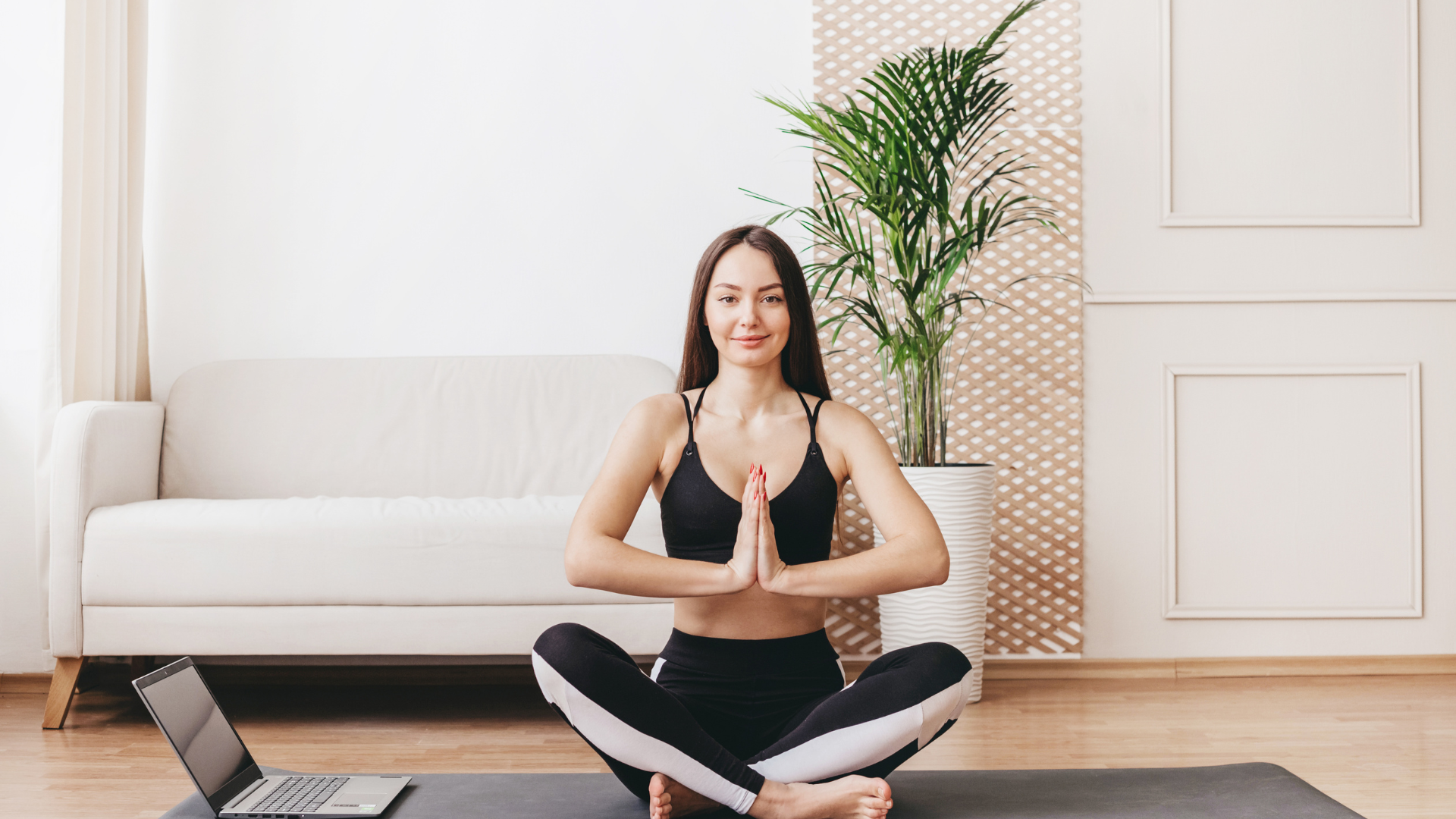
In today’s fast-paced world, finding ways to relax and unwind is essential for maintaining mental health and achieving balance. Techniques such as mindfulness, breathing exercises, and engaging in hobbies can significantly reduce anxiety and promote self-care. These methods not only help individuals cope with daily stressors but also foster a deeper connection with themselves.
Exploring different relaxation techniques can empower individuals to discover what resonates with them. Whether it’s setting aside time for meditation or immersing oneself in nature, these practices encourage a sense of calm and clarity. Apart from personal relaxation practices, individuals can also explore professional wellness services like those from Las Vegas Massage 2U or other on-demand wellness providers that bring relaxation and care directly to their chosen space. Incorporating regular periods of reflection into one’s routine is vital for nurturing overall well-being and resilience.
By prioritizing relaxation and mindfulness, individuals can create healthier lifestyles that support their mental and emotional health. Embracing these techniques fosters a proactive approach to self-care, ultimately leading to a more balanced and fulfilling life.
Understanding Relaxation and Mental Well-Being
Relaxation plays a crucial role in enhancing mental well-being. By fostering a deep sense of calm, it can mitigate stress and anxiety, promoting a healthier lifestyle. Key components include understanding the relaxation response, self-awareness, and the impact of stress on physical health.
Relaxation Response and Mental Health
The relaxation response is a physiological state that counteracts stress. It activates the parasympathetic nervous system, reducing cortisol levels and inducing a state of calm. This response can be triggered through techniques such as mindfulness, breathing exercises, and meditation.
Practising mindfulness helps individuals focus on the present moment, reducing anxiety. Research shows that regular mindfulness practice can lead to lower levels of psychological distress. By reducing stress, the relaxation response can enhance overall mental health.
Role of Self-Awareness in Unwinding
Self-awareness involves recognizing one’s thoughts, feelings, and bodily sensations. This awareness is vital for identifying stress triggers and addressing them effectively. Individuals who engage in self-reflection are better equipped to unwind.
By fostering self-awareness, one can develop tailored relaxation strategies. Journaling, for example, enables individuals to explore their emotions, leading to better stress management. Greater self-awareness also enhances decision-making, further promoting mental well-being.
Impact of Stress on Physical Health
Chronic stress adversely affects physical health. It can elevate cortisol levels, leading to various health complications, such as cardiovascular diseases and weakened immune responses. Recognising the link between stress and physical health is essential for maintaining overall well-being.
Implementing relaxation techniques can be an effective way to combat these effects. Regular practice of deep breathing, yoga, or meditation not only aids mental health but also supports physical health. Engaging in these activities can create a healthier lifestyle and contribute to long-term wellness.
Core Techniques for Relaxation
Utilizing specific techniques can effectively promote relaxation and reduce stress. The following approaches focus on breathing, muscle relaxation, and mindfulness strategies, which are essential for unwinding.
Deep Breathing Exercises
Deep breathing exercises serve as a fundamental relaxation technique. They help slow the heart rate and lower blood pressure. A simple method involves inhaling deeply through the nose for a count of four, holding the breath for another count of four, and then exhaling slowly through the mouth for six counts.
This process can be repeated several times. As a guide, practitioners can also visualize a calming scene, enhancing the relaxation experience. Regular practice can improve overall stress response and increase awareness of bodily sensations. Using deep breathing can be particularly beneficial during moments of tension.
Progressive Muscle Relaxation
Progressive Muscle Relaxation (PMR) is a structured technique that involves tensing and relaxing various muscle groups. Starting from the toes and working upwards, individuals tense each muscle for five seconds before releasing. This approach promotes body awareness, aiding in identifying areas of tension.
Practitioners often follow a specific sequence: toes, feet, legs, abdomen, arms, and face. By focusing on the contrast between tension and relaxation, individuals can effectively release accumulated stress. Engaging in PMR before sleep can enhance rest and decrease feelings of anxiety. Consistent practice can yield substantial benefits over time.
Mindfulness and Meditation Practices
Mindfulness meditation encourages present-moment awareness, fostering a sense of calm. Individuals can practice mindful breathing, focusing solely on their breath without judgment. This technique helps divert attention from stressors and encourages emotional regulation.
In addition to mindful breathing, guided visualization can enhance the meditation experience. Participants may imagine themselves in a peaceful setting, engaging their senses to fully immerse in the moment. Short, focused sessions, even just five to ten minutes, can be highly effective. Establishing a daily routine promotes familiarity with the practice, leading to greater relaxation benefits over time.
Creating a Calming Environment
Crafting a calming environment involves careful consideration of ambiance, the use of essential oils, and the integration of soothing music. Each of these elements contributes to a tranquil atmosphere, enabling relaxation and reflection.
Optimizing Your Ambiance
The ambiance of a space influences mood and relaxation. Soft lighting creates a warm and welcoming environment. Candles or dimmable lamps can help achieve this effect, promoting a sense of calm. Choosing colors strategically is also essential. Cool tones like blues and greens have a serene effect, while neutral shades encourage comfort.
Furniture arrangements should facilitate openness and flow. Clutter can create stress, so it is advisable to keep surfaces clear and maintain a tidy space. Using elements from nature, such as plants or water features, enhances tranquillity and encourages a sense of peace.
The Role of Essential Oils
Essential oils can significantly enhance a calming environment. They work through aromatherapy, activating the olfactory senses to evoke relaxation. Lavender is particularly noted for its calming properties, helping to reduce anxiety and promoting better sleep.
Other beneficial options include chamomile and frankincense, which can aid in stress relief.
Utilizing a diffuser allows the fragrance to fill a room gradually. Alternatively, placing a few drops on pillows or linens may promote calmness during a bedtime routine. Incorporating essential oils can create a personalized atmosphere that encourages unwinding.
Incorporating Calming Music
Music serves as an effective tool for relaxation. Calming music can lower heart rates and reduce feelings of tension. Soft instrumental pieces or nature sounds, like rain or ocean waves, are particularly soothing.
Creating a playlist of favorite tracks can help in establishing a peaceful environment. It’s useful to keep the volume at a moderate level, allowing it to blend subtly into the background. Scheduling time for music in the evening can further enhance a calming bedtime routine, signaling the body that it is time to relax. Integrating calming music into daily life can effectively foster a soothing atmosphere.
Incorporating Unwinding into Daily Life
Incorporating unwinding techniques into daily routines is essential for mental and physical well-being. By establishing effective habits, individuals can reduce stress and enhance relaxation throughout their day.
Developing a Bedtime Routine
Establishing a consistent bedtime routine can significantly improve the quality of sleep. This may include activities such as reading a book, practicing relaxation techniques, or enjoying a warm bath. Engaging in calming activities signals to the body that it is time to unwind.
Limiting screen time before bed is crucial. Blue light emitted by devices can disrupt the body’s natural circadian rhythms. Instead, individuals should consider dimming lights and using soothing scents like lavender to create a restful environment. A structured routine not only aids in falling asleep faster but also helps with achieving deeper and more restorative sleep stages.
Digital Detox for Relaxation
Engaging in a digital detox can provide substantial benefits for relaxation. This strategy involves setting aside specific times to disconnect from digital devices, such as computers and smartphones. By doing so, it allows the mind to recharge.
Individuals may find it helpful to allocate certain hours of the day for device usage and dedicate the remaining time to offline activities. This can include hobbies like painting, cooking, or playing a musical instrument. A reduction in digital consumption often leads to increased mindfulness and awareness, enhancing overall mental clarity.
Engaging in Gentle Exercise
Incorporating gentle exercise into daily routines can significantly improve mood and reduce stress levels. Activities such as yoga, stretching, or leisurely walking promote the release of endorphins, which are known to elevate feelings of happiness.
Setting aside time for gentle exercise does not require extensive commitment. A 20-30 minute walk in a nearby park can refresh the mind. Engaging in physical movement helps to clear mental clutter and can serve as a mindful meditation practice. In addition, such activities foster a sense of accomplishment and well-being.
Benefits of Spending Time in Nature
Spending time in nature provides a host of benefits for relaxation and mental clarity. Natural environments can significantly reduce feelings of stress and anxiety. Studies indicate that even short walks in a natural setting can improve mood and cognitive function. Individuals should aim to incorporate outdoor activities into their schedule regularly. Hiking, cycling, or simply sitting in a garden can have a relaxing effect.
Embracing the sounds, sights, and scents of nature fosters a deeper connection with the environment. This connection not only aids in unwinding but also promotes overall mental health.
Leave a Reply