
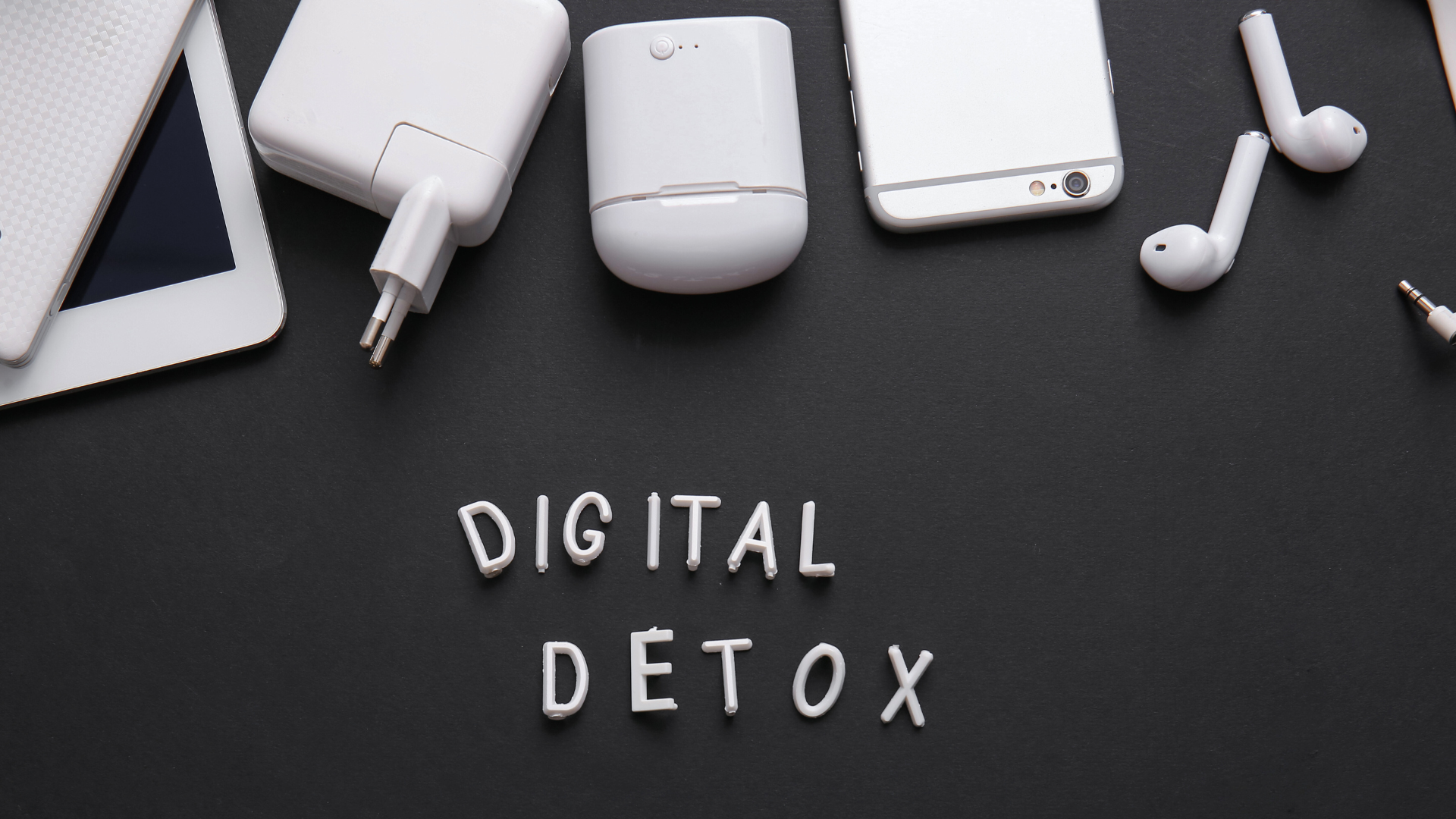
In today’s hyper-connected world, the constant barrage of notifications and digital distractions can take a toll on mental well-being. Many people find that stepping away from screens, even briefly, can lead to a more balanced and fulfilling life. A digital detox weekend allows individuals to recharge, fostering deeper connections with themselves and others while reducing stress levels.
Taking time off from technology not only improves focus and productivity but also encourages more engaging social interactions. Without the interruption of phones and social media, there is an opportunity to reconnect with hobbies, nature, and loved ones. This reset period can be transformative, allowing for reflection and personal growth.
Engaging in a digital detox weekend can lead to greater awareness and mindfulness in daily routines. Participants often report feeling more present and less anxious as they re-establish a sense of control over their time and attention. Embracing this practice could be the key to enhancing one’s quality of life amidst the digital chaos.
Understanding Digital Detox
Digital detox refers to intentional breaks from constant connectivity to technology, allowing individuals to recharge mentally and physically. This time offline plays a significant role in improving mental health, reducing stress and anxiety, and enhancing overall well-being.
Defining Digital Detox
Digital detox involves temporarily unplugging from electronic devices, including smartphones, computers, and social media. The aim is to create a space free from notifications and the overwhelm of continuous online engagement. This practice encourages individuals to engage more meaningfully with the world around them. It typically lasts for a weekend or longer and can be tailored to individual preferences.
Benefits of Regular Unplugging
Engaging in regular digital detox weekends offers numerous benefits. Firstly, it fosters mental clarity, allowing individuals to think freely without distractions. People often report improved focus and creativity during this time. Additionally, unplugging can enhance sleep quality, as reduced screen time helps regulate circadian rhythms.
Other notable advantages include stress reduction and anxiety management. Stepping away from the constant barrage of information allows the mind to relax, leading to a calmer state. Many find that this time spent offline strengthens relationships, as face-to-face interactions take precedence over digital conversations.
Common Challenges and Misconceptions
Several challenges arise during a digital detox. The first is the fear of missing out (FOMO). Many feel anxious about being disconnected from social media and current events. This perception often discourages individuals from attempting a digital detox.
Another misconception is that one must completely eliminate all technology. In reality, digital detox can be tailored. It may involve specific times for checking devices rather than complete disconnection.
Lastly, some believe that unplugging is too difficult to maintain long-term. However, with small incremental steps, such as designated tech-free hours, individuals can successfully incorporate digital detoxes into their routines.
Practical Steps to a Successful Digital Detox Weekend
Implementing a successful digital detox weekend requires thoughtful planning and the establishment of clear boundaries. Focusing on mindful practices and offline activities can enhance the experience, promoting relaxation and genuine interaction with oneself and others.
Planning and Preparation
Preparation is crucial for a successful digital detox. Individuals should set specific goals for the weekend, such as reducing screen time or limiting social media usage. Writing down these goals can provide clarity and motivation.
Creating a schedule is also beneficial. Allocating time for activities such as reading, cooking, or exercising can help them stay engaged without technology. It’s advisable to inform friends and family about the detox plan, encouraging face-to-face interaction during this period. Planning meals in advance can minimise the need to rely on food delivery apps, reinforcing the commitment to the detox.
Establishing Tech-Free Zones
Designating tech-free zones in the home encourages individuals to unplug. Common areas, such as the dining room or bedroom, can be transformed into spaces where devices are not allowed. This promotes more meaningful interactions and reduces the temptation to check screens.
Creating a tech-free zone involves removing devices and setting clear rules. One effective strategy is to use a designated basket for phones and tablets, keeping them out of sight. This approach fosters an environment that prioritises offline activities and distractions are minimised, allowing for deeper engagement with everyday life.
Mindfulness and Meditation
Mindfulness and meditation play a vital role in a digital detox. Allocating time each day to practice mindfulness can help clear the mind and reduce anxiety often exacerbated by digital distractions.
Incorporating short meditation sessions can increase awareness of thoughts and emotions. This practice can take the form of breath-focused exercises or guided imagery. Creating a calming space with comfortable seating and minimal distractions enhances the experience.
Mindfulness journaling is also beneficial, as it helps individuals reflect on their emotions and experiences during the detox weekend. Encouraging a routine that combines both meditation and journaling enhances personal growth and self-awareness.
Engaging in Offline Activities
Offline activities are essential to filling the time typically spent on screens. Reading books, cooking, or engaging in creative hobbies can provide fulfilment during this period.
Individuals could consider activities such as yoga, which promotes both physical and mental wellness. Taking time to spend outdoors—whether it’s going for a walk in the park or enjoying a hike—connects them with nature and encourages physical movement.
Face-to-face interactions with family or friends can strengthen relationships, providing an opportunity for conversation or game nights. Engaging in these activities can create lasting memories and enhance overall well-being, making the digital detox weekend a rewarding experience.
Enhancing Personal Wellbeing and Relationships
Digital detox weekends provide significant benefits for personal wellness and interpersonal connections. By stepping away from screens, individuals can improve their sleep quality, engage in meaningful face-to-face interactions, and foster self-awareness that catalyses personal growth.
Improving Quality of Sleep and Mental Health
Reducing screen time enhances sleep quality, vital for mental health. Many individuals find that blue light emitted by devices disrupts their natural sleep cycle. Without the constant stimulation of notifications and social media, they often experience deeper, more restful sleep.
Better sleep contributes to lower stress levels. As fatigue decreases, individuals can manage daily challenges more effectively. This creates a positive feedback loop, where improved mental health leads to better emotional regulation and resilience against anxiety.
Strengthening Face-to-Face Interactions and Relationships
In-person interactions become more meaningful during digital detox weekends. Without the distraction of devices, conversations can be more focused and fulfilling. Individuals often report a deeper connection with friends and family when they engage without screens involved.
Active listening skills improve significantly. Participants tend to remember conversations better and respond more genuinely. Engaging in group activities, such as shared meals or games, fosters a sense of community and strengthens relationships.
Self-Reflection and Personal Growth
A break from digital distractions allows for self-reflection. Individuals can evaluate their goals, values, and life choices with clarity. This intentional thinking encourages self-awareness and prompts personal growth.
During detox weekends, journaling or meditative practices can deepen this self-exploration. Individuals often discover insights that lead to positive behaviour changes, enhancing their overall quality of life. By reconnecting with themselves, they gain motivation and direction in both personal and professional contexts.
Maintaining Balance Beyond the Weekend
To maintain the benefits gained from a digital detox weekend, it is essential to establish sustainable digital habits, set clear intentions for technology use, and integrate mindfulness practices into daily routines. These strategies can enhance productivity and improve overall quality of life.
Creating Sustainable Digital Habits
Developing sustainable digital habits involves consistent actions that promote healthier technology use. Individuals can start by setting specific time limits for social media or email checking. For instance, allocating certain hours for device use, like 30 minutes in the morning and evening, can create a structured routine.
Utilising apps that track digital consumption can also help in monitoring usage. Individuals can evaluate which platforms require less attention while identifying productive digital tools that enhance their lifestyles. By consciously curating their digital environment, they can foster a more balanced relationship with technology.
Setting Clear Intentions for Tech Use
Intentional technology use plays a crucial role in maintaining balance. Each time individuals engage with their devices, they should reflect on their goals. Defining clear intentions for tech activities—whether for work, learning, or leisure—can lead to more focused engagement.
Making a list of daily digital tasks can also help. By prioritising these tasks, individuals can ensure that technology serves their needs rather than distracts from them. This practice not only boosts productivity but also cultivates a sense of purpose in their online interactions.
Integrating Mindfulness Practices in Daily Life
Incorporating mindfulness practices into daily routines can significantly improve quality of life. Simple techniques, such as deep breathing or short meditation sessions, can ground individuals and reduce stress.
Mindfulness apps can serve as useful tools here, providing guided sessions or reminders to pause and reflect throughout the day. Regularly engaging in these practices fosters greater awareness of one’s emotions and thought patterns, allowing individuals to recognise when technology use is becoming excessive.
By blending mindfulness with technology, a more harmonious balance can be achieved, ultimately enhancing both well-being and productivity.
Leave a Reply