
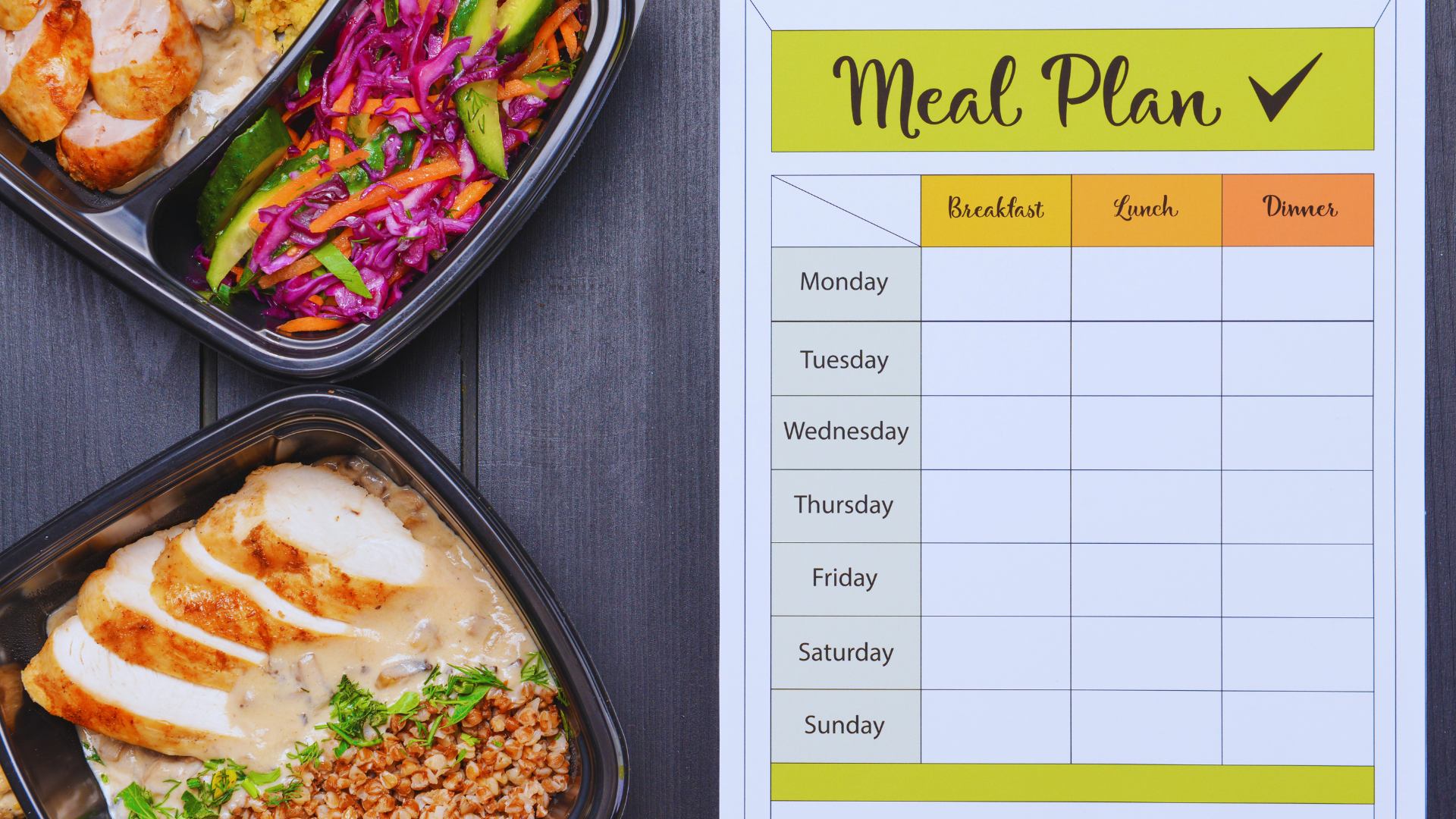
Creating a perfect meal prep plan can significantly streamline one’s weekly routine and enhance a healthy lifestyle. A well-structured meal plan saves time, reduces stress, and ensures that nutritious options are always on hand, making it easier to stick to dietary goals. By focusing on balanced meals and portion control, individuals can maintain energy levels and avoid unhealthy snacking.
To get started, individuals should think about their dietary preferences and schedule. Organising meals around personal tastes and time constraints fosters adherence to the plan. This method not only enhances enjoyment but also promotes consistency, which is crucial for long-term success in maintaining a healthy meal regimen.
Incorporating variety into the meal prep process is essential to prevent boredom. Exploring different recipes while sticking to a core set of ingredients can provide both excitement and ease. With the right approach, creating a perfect meal prep plan becomes an empowering tool for anyone looking to improve their eating habits and overall well-being.
Essentials of Meal Planning
Effective meal planning involves an understanding of dietary goals, ensuring a balance of macronutrients, and maintaining proper portion control. Each of these elements plays a crucial role in crafting a meal prep strategy that supports health objectives.
Understanding Your Dietary Goals
Identifying specific dietary goals is the first step in meal planning. This may involve weight loss, muscle gain, or simply maintaining overall health. It is crucial to set realistic, measurable goals based on individual needs.
A person aiming for weight loss might focus on calorie deficits, while someone looking to build muscle may prioritise protein intake. Additionally, incorporating whole foods and reducing processed options can contribute significantly to reaching health targets.
Macronutrient Balance and Variety
Macronutrients—proteins, fats, and carbohydrates—should be balanced to support nutritional goals. Each macronutrient serves a unique purpose in the diet.
Proteins are essential for muscle repair and growth, while carbohydrates provide energy for daily activities. Fats support hormone production and nutrient absorption. Variety is important; incorporating different sources of each macronutrient—such as lean meats, whole grains, and healthy fats—ensures comprehensive nutritional coverage.
Aim for a balanced plate, often using the following proportions as a guide:
- 40% Carbohydrates
- 30% Proteins
- 30% Fats
Proper Portion Control
Portion control is vital in meal planning to prevent overeating and support health goals. It involves being mindful of serving sizes and adhering to recommended intake levels.
Utilising measuring tools and visual aids can help manage portions effectively. For instance, a portion of protein should fit in the palm of the hand, while carbohydrates can be measured with a cupped hand.
Additionally, paying attention to hunger cues can aid in recognising when to eat and when to stop. Tracking meals in a journal or app can also improve awareness of portion sizes and overall caloric intake.
Creating the Meal Plan
A well-structured meal plan ensures nutritious and delicious meals throughout the week. By selecting appropriate recipes and ingredients, structuring a weekly menu, and considering dietary preferences and restrictions, one can create an effective meal prep strategy.
Selecting Recipes and Ingredients
Choosing recipes is essential to building a successful meal plan. Focus on lean proteins, such as chicken, fish, or legumes, which help maintain muscle mass while providing energy. Aim to include healthy fats like avocados or nuts that promote heart health.
Incorporate whole grains, such as brown rice or quinoa, for fibre and essential nutrients. It’s helpful to select a variety of meals to avoid monotony. Consider favourite recipes that can be adapted, ensuring they align with nutritional goals. Make a list of ingredients to streamline shopping and prevent waste.
Weekly Menu Structuring
Creating a weekly menu helps in organising meals efficiently. Assign specific meals to each day, taking into account cooking time and complexity. For example, plan simple meals for busy days, and reserve more elaborate dishes for weekends.
Organise the menu to feature different food groups each day, ensuring a balanced intake. Visual formats like tables can be effective here:
|
Day |
Breakfast | Lunch | Dinner |
|
Monday |
Oatmeal | Grilled chicken salad | Stir-fried tofu |
| Tuesday | Smoothie | Quinoa bowl |
Baked salmon |
| Wednesday | Eggs and spinach | Lentil soup |
Beef stir-fry |
This structure provides clarity while ensuring meals remain exciting.
Incorporating Dietary Preferences and Restrictions
When creating a meal plan, it is crucial to consider dietary restrictions and preferences. This could include vegetarian, vegan, gluten-free, or dairy-free options. Understanding dietary needs allows for the creation of personalised meal plans that maintain enjoyment while meeting health goals.
Using substitutes, such as cauliflower rice for those avoiding grains, maintains the essence of favourite recipes without compromising on nutrition. When selecting meals, keep a checklist of dietary preferences to ensure satisfaction. This targeted approach enhances adherence to the meal plan.
Preparation and Shopping Strategies
Creating an effective meal prep plan involves smart shopping and proper preparation strategies to streamline the process and enhance efficiency. By focusing on grocery shopping, utilising meal prep containers, and handling food storage, individuals can significantly reduce waste and save money.
Efficient Grocery Shopping
When shopping for meal prep, he or she should create a detailed grocery list based on planned meals. This list prevents impulse purchases and helps in sticking to the budget.
Using a categorical approach, items can be organised into sections such as produce, proteins, and grains. This strategy simplifies the shopping experience, making it faster and more efficient.
Additionally, shopping at local markets or bulk stores can often lead to savings. Fresh produce and larger quantities can lower costs while also reducing food waste.
Utilising Meal Prep Containers and Tools
Choosing the right meal prep containers is crucial. They should be airtight, microwave-safe, and stackable for easy storage.
Bento boxes, glass containers, and reusable silicone bags are excellent choices. Proper labelling of containers with dates and meal types ensures clarity and organisation.
Incorporating essential tools such as cooking scales, measuring cups, and sharp knives can significantly enhance efficiency. Preparing meals in batches becomes simpler when the right tools are used.
Handling and Storage
Safe handling and proper storage of meals ensures longevity and freshness. Once meals are prepared, they should be cooled quickly and stored in the fridge or freezer.
It’s vital to know the storage times for different foods. For instance, cooked meals can generally last in the fridge for up to four days. Meanwhile, most cooked items can be frozen for several months without losing quality.
Thawing meals safely is important. He or she should avoid room temperature thawing and opt for refrigerator thawing or using the microwave. This practice helps maintain food safety and reduces the risk of spoilage.
Maintaining Your Meal Prep Plan
Maintaining a meal prep plan requires flexibility and regular evaluation. Adapting to changes in lifestyle and monitoring progress ensures that the plan continues to align with health goals and nutritional needs.
Adapting to Lifestyle Changes
Life can be unpredictable, often necessitating adjustments to a meal prep approach. Factors such as a new job, altered workout routines, or dietary needs may arise.
Using a meal planning app can facilitate this process. These apps often offer features to adjust portions, swap recipes, and update meal plans based on current preferences.
Meal prep ideas should reflect her daily schedule. For example, if she has less time during the week, batch cooking on weekends may become essential. Additionally, consider incorporating meal prep recipes that require minimal cooking, ensuring that meals remain nutritious and easy to prepare.
Monitoring Progress and Making Adjustments
Regularly assessing the effectiveness of the meal prep plan is crucial. Keeping track of health goals is important, especially in relation to weight loss or muscle gain.
Journaling progress or using a meal plan app can help with this. By recording meals consumed and how they align with goals, she can identify patterns.
If certain meals aren’t satisfying or she experiences fatigue, it may be time to reassess recipes and ingredients. Weekly meal plans can be revised as needed, and integrating nutritional tools can assist in ensuring a balanced intake of macro and micronutrients. Adjusting the plan ensures it remains an effective tool for achieving desired outcomes.
Leave a Reply