
Many people believe indulging in dessert means sacrificing health goals, but that’s not always true. Healthy dessert swaps can deliver guilt-free desserts without compromising on flavour or satisfaction. Using natural sweeteners, whole-food ingredients, and creative substitutions, it’s possible to enjoy treats that are better for the body.
These healthier alternatives often include fruit-based sweets, yoghurt variations, or baked goods made with nut flours and less refined sugar. They provide a balance, allowing people to enjoy the pleasure of dessert while maintaining a nutritious diet.
By understanding how to make simple ingredient swaps, anyone can transform traditional desserts into healthier options. This approach proves that healthy desserts don’t need to taste bland or boring.
Core Principles of Healthy Dessert Swaps
Healthy dessert swaps balance nutritional value and flavour without compromising enjoyment. They typically focus on reducing harmful ingredients, using nutrient-dense alternatives, and controlling portion sizes to avoid excess calorie intake.
Why Swap: Health and Flavour Benefits
Swapping traditional desserts with healthier alternatives lowers the intake of refined sugars and unhealthy fats, which can contribute to chronic conditions like diabetes and heart disease. Using natural sweeteners such as honey or maple syrup provides a more stable blood sugar response than white sugar.
From a flavour perspective, healthy swaps enhance natural tastes by incorporating fresh fruits, nuts, and spices, adding complexity without artificial additives. This approach creates guilt-free desserts that satisfy cravings while supporting overall health. Choosing healthy fats like avocado or coconut oil over butter also improves texture and richness without excessive saturated fat.
Key Ingredients to Avoid in Traditional Desserts
Typical desserts often contain refined sugar, hydrogenated oils, artificial flavourings, and high amounts of saturated fat. Refined sugar offers empty calories and spikes blood glucose, while hydrogenated oils contribute to harmful trans fats linked to cardiovascular disease.
Highly processed flours lack fibre, causing rapid digestion and hunger soon after eating. Artificial additives may cause sensitivities without nutritional benefit. Replacing these with wholegrain flours, natural sweeteners, and healthy fats supports better digestion and heart health.
|
Ingredients to avoid |
Reason |
Healthy Alternative |
|
Refined sugar |
Blood sugar spikes, empty calories |
Honey, maple syrup, fruit puree |
|
Hydrogenated oils (trans fats) |
Cardiovascular risk |
Coconut oil, olive oil |
|
Artificial flavourings |
Potential sensitivities |
Vanilla extract, spices |
|
Refined white flour |
Low fibre, poor satiety |
Whole wheat, almond flour |
Understanding Portion Awareness and Satiety
Portion control plays a critical role in making desserts healthier without sacrificing indulgence. Smaller portions reduce calorie consumption, while mindful eating promotes satisfaction without overindulgence.
Satiety is influenced by the types of ingredients used. Protein, fibre, and healthy fats increase fullness and slow digestion, helping to curb cravings. For example, desserts containing nuts or seeds, or made with whole grains, offer longer-lasting energy and reduce the desire for additional sweets.
Serving desserts in smaller, measured amounts ensures indulgence remains controlled, supporting a balanced diet and preventing feelings of guilt often associated with traditional dessert portions.
Smart Sweetener Substitutes for Indulgent Taste
Choosing the right sweetener can balance flavour and health benefits in desserts. Some options provide natural sugars, while others offer low-calorie or whole-food alternatives to maintain sweetness without excess refined sugar.
Natural Sweeteners: Honey, Maple Syrup, Dates
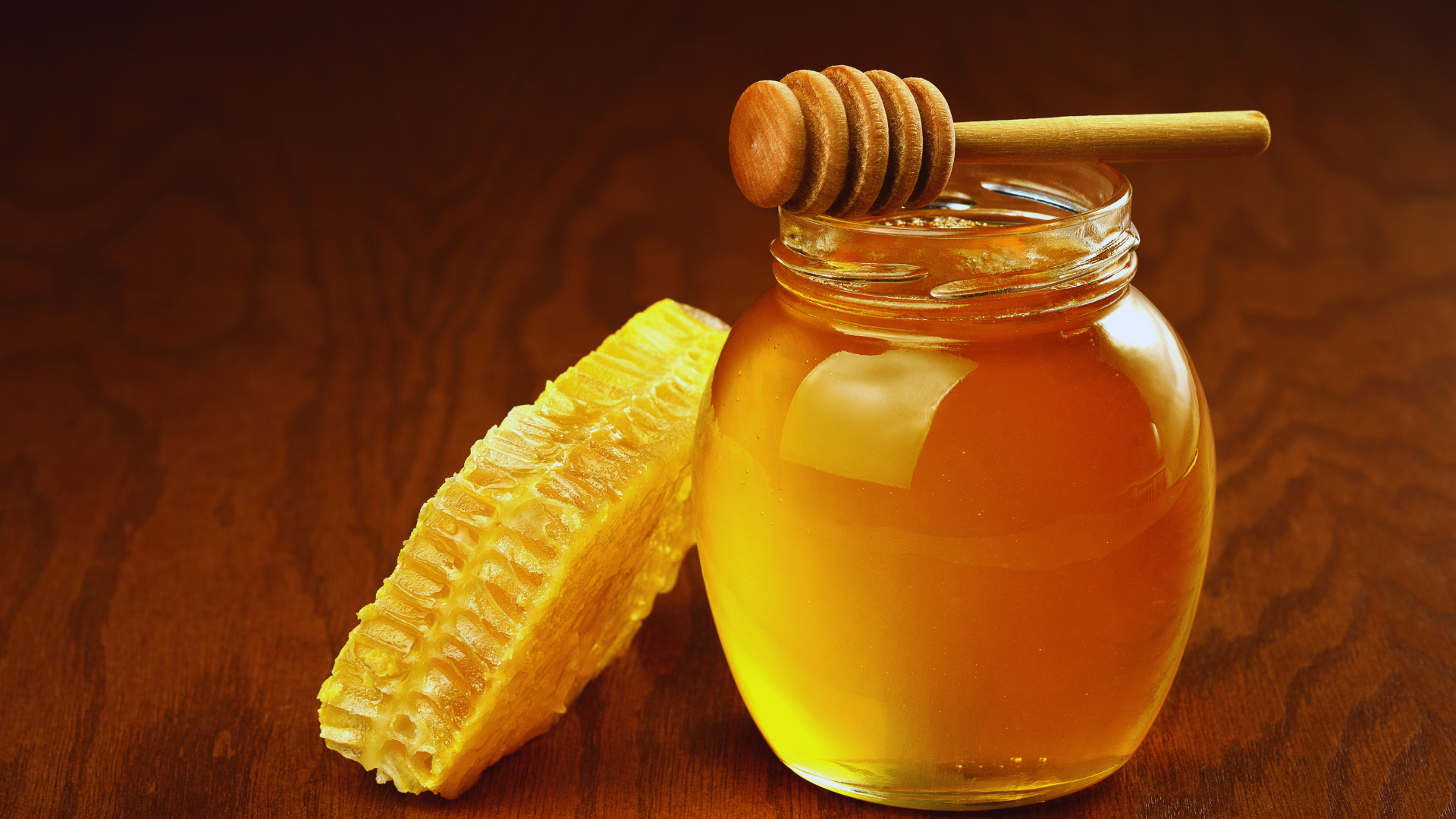
Honey and maple syrup are popular natural sweeteners that add moisture and rich flavour. Honey contains antioxidants and trace minerals, making it a nutrient-dense choice, but it has a distinct floral taste that works best in recipes, complementing its profile.
Maple syrup is high in manganese and zinc, with a caramel-like flavour suited to a wide range of desserts. Its lower glycaemic index than refined sugar may reduce blood sugar spikes.
Dates provide natural sweetness and fibre, often used in paste form. They enhance texture and add depth without refined sugar. Dates are particularly suitable for energy balls and raw desserts.
Low-Calorie Alternatives: Stevia and Coconut Sugar
Stevia is a plant-derived sweetener with zero calories. It is much sweeter than sugar, so only a small amount is needed. It does not raise blood glucose, which benefits those managing blood sugar levels. However, some find it has a slight aftertaste.
Coconut sugar is minimally processed, containing small amounts of nutrients like iron and potassium. Its caramel flavour works well in baking. Though it has fewer calories than white sugar, it still impacts blood sugar and should be used in moderation.
Fruit and Vegetable-Based Sweetening
Pureed fruits like bananas, applesauce, or pumpkin can replace sugar by adding natural sweetness and moisture. They increase fibre and vitamins in desserts.
Carrot and beetroot purées are also effective sweeteners, providing natural sugars and nutrients along with vibrant colour. They blend well into cakes and muffins, maintaining texture without additional sugar.
These options reduce added sugars while enriching desserts with whole-food benefits.
Baking Swaps: Flour, Chocolate, and More
Choosing the right ingredients can make desserts healthier without sacrificing flavour. Using alternative flours, quality chocolate, and nutrient-rich add-ins can improve texture, taste, and nutrition all at once.
Nut and Alternative Flours: Almond, Oat, and Coconut
Almond flour is popular for adding moisture and a subtle nutty taste while boosting protein and healthy fats. It’s lower in carbohydrates than wheat flour, making it ideal for those reducing sugar intake.
Oat flour is a good source of fibre and adds a mild, slightly sweet flavour. It helps improve the texture of baked goods, creating a tender crumb while being gluten-free when processed in dedicated facilities.
Coconut flour absorbs more liquid than other flours, so recipes often require more eggs or liquid for balance. It contributes fibre and healthy fats, with a distinct coconut taste that enhances many desserts.
Indulgent Yet Nutritious: Dark Chocolate and Healthy Fats
Dark chocolate with at least 70% cocoa delivers antioxidants and less sugar than milk chocolate. It provides deep flavour and richness, making it a good choice for indulgent desserts that are also more nutritious.
Healthy fats like avocado, coconut oil, or nut butters can replace butter or cream. These fats improve texture while supplying essential fatty acids that support heart health. They also add moisture without processed ingredients.
Using dark chocolate and healthy fats together can maintain the decadence of a dessert, ensuring it feels indulgent while being better for overall health.
Boosting Nutrition with Add-Ins: Chia Seeds and More
Chia seeds are rich in omega-3 fatty acids, fibre, and protein. Adding them to batters or as toppings enhances the nutritional profile and adds a slight crunch without overpowering flavour.
Other functional add-ins like flaxseeds, hemp seeds, or ground nuts can boost vitamins and minerals. They contribute texture and bind ingredients, often reducing the need for extra fats or sugars.
Integrating these ingredients helps create desserts that are balanced, nutrient-dense, and still satisfy sweet cravings.
Popular Healthy Dessert Swap Ideas
Several healthy dessert options use natural ingredients and clever preparation methods to offer indulgence without excessive sugar or fat. These swaps often combine texture and flavour to satisfy cravings while maintaining nutritional benefits.
Frozen Yogurt and Frozen Yogurt Bark
Frozen yoghurt provides a creamy, tangy alternative to ice cream with fewer calories and added probiotics. It is typically lower in fat than traditional ice cream, making it a popular guilt-free dessert choice.
Frozen yoghurt bark enhances this concept by spreading frozen yoghurt in a thin layer and topping it with fruit, nuts, or seeds before freezing. This creates a crunchy, chewy texture that balances sweetness and nutrients.
The bark is portable, easy to portion, and can be tailored to different flavour profiles, with options like berries, dark chocolate chips, or coconut flakes, promoting variety in healthy dessert options.
Chia Puddings and Chia Seed Pudding
Chia seed pudding is a nutritious dessert made by soaking chia seeds in liquid, usually almond milk or coconut milk, until they swell and form a gel-like texture. This provides a rich source of fibre, omega-3 fatty acids, and protein.
Chia puddings are versatile; they can be flavoured with vanilla, cocoa, or spices like cinnamon, and topped with fresh fruit or nuts for texture. Its slow digestion helps with satiety and blood sugar control.
This dessert swap is dairy-free and suitable for those avoiding refined sugars when sweetened with natural alternatives like honey or maple syrup.
Fruit-Based and No-Bake Treats
Fruit-based desserts focus on natural sweetness and moisture, reducing the need for added sugars or fats. Options include baked apples, poached pears, or simple fruit salads paired with yoghurt or nut butters.
No-bake treats often combine nuts, dates, and natural flavourings pressed into bars or balls. These snacks provide energy, fibre, and micronutrients without the need for processed ingredients or baking.
Both fruit-based and no-bake desserts are quick to prepare, portable, and can serve as guilt-free options that satisfy cravings while supporting health goals.
Key benefits:
- Natural sweetness reduces added sugar intake
- Use of whole foods increases nutritional value
- Variety in texture and flavour keeps indulgence enjoyable
Leave a Reply