A self-care night is a valuable opportunity to focus on well-being, recharge, and unwind from daily stress. Choosing the right treats for this time can enhance relaxation without compromising health. Healthy treats for a self-care night in combine nutrition and comfort, supporting both body and mind.
They often include simple, wholesome ingredients that satisfy cravings while providing essential nutrients. From nutrient-rich snacks to light desserts, these options encourage mindful eating and contribute to a better sense of calm and balance during personal downtime.
Selecting the right foods can make a significant difference in how refreshed someone feels after their self-care night. These treats should complement the intention of rest and recovery, ensuring the experience promotes overall wellness.
The Benefits of Healthy Treats for a Self-Care Night In
Healthy treats can enhance well-being by providing essential nutrients and supporting relaxation. They offer opportunities to focus on the present moment and help manage stress effectively.
Nourishment and Mental Health
Healthy treats supply vital nutrients like omega-3 fatty acids, antioxidants, and vitamins, which support brain function and mood regulation. Foods rich in magnesium and vitamin B6, such as nuts and seeds, help reduce anxiety symptoms and improve sleep quality.
A balanced intake fuels the body and mind, contributing to better mental health. Unlike sugary snacks that cause energy dips, nutrient-dense treats provide sustained energy and stabilise blood sugar levels.
Creating Mindful Moments
Preparing and eating healthy treats encourages mindfulness by inviting attention to textures, flavours, and aromas. This focused experience can break cycles of automatic eating and promote awareness of hunger and fullness cues.
Mindfulness during a self-care night nurtures emotional balance. It slows the pace of life, fostering calmness and enhancing connection to the moment, which supports mental well-being.
Reducing Burnout and Stress
Healthy treats with adaptogenic herbs or calming ingredients, like chamomile or dark chocolate, can help alleviate stress responses. These foods support cortisol regulation, aiding relaxation during high-pressure periods.
Incorporating such treats into self-care routines offers small rituals that signal rest and recovery. This process is valuable in preventing burnout by encouraging regular breaks and promoting positive habits.
Delicious and Nutritious Treat Ideas
Choosing treats that balance taste and nutrition supports relaxation without sacrificing health. Options vary from naturally sweet fruit snacks to soothing drinks and light savoury bites, all rich in beneficial nutrients and easy to prepare.
Fruit-Based Snacks
Fresh fruit offers natural sweetness and important vitamins. Slices of apple or pear with a small serving of almond butter combine fibre, healthy fats, and protein. Berries like blueberries and raspberries are high in antioxidants and low in sugar.
Dried fruits such as apricots or dates provide concentrated energy but should be eaten in moderation due to higher sugar content. Pairing fruit with nuts can enhance satiety and provide an enjoyable mix of textures.
Yoghurt and Smoothie Bowls
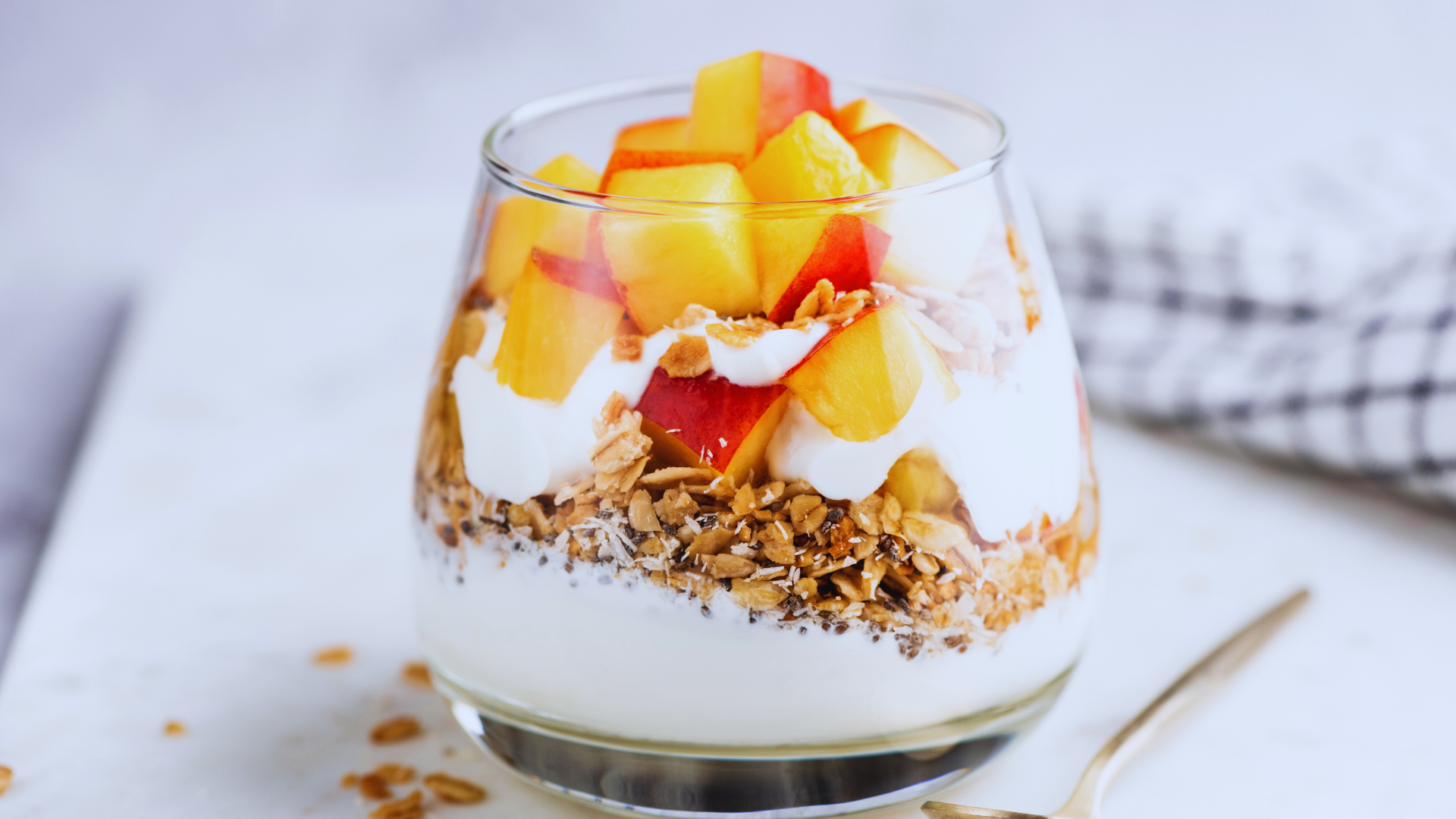
Greek yoghurt is a good source of protein and probiotics, aiding digestion and satiety. It can be topped with fresh fruit, chia seeds, and a drizzle of honey for natural sweetness without refined sugars.
Smoothie bowls blend fruits, leafy greens like spinach, and nut milk to create nutrient-dense, creamy treats. Including ingredients such as banana for texture and berries for antioxidants brings balance. They can be garnished with nuts or granola for added texture.
Healthy Comfort Drinks
Herbal teas, especially chamomile, promote relaxation and improve sleep quality. They are naturally caffeine-free and hydrating. Green tea provides antioxidants and a mild caffeine boost without over-stimulation.
Warm drinks made from almond milk or oat milk mixed with turmeric or cinnamon offer anti-inflammatory properties. Smoothies can also serve as a comforting drink when made thicker with ingredients like avocado or banana.
Savoury Light Bites
Hummus with carrot sticks or cucumber slices delivers protein, fibre, and healthy fats. Roasted chickpeas or lightly salted edamame beans can satisfy cravings for crunch and saltiness while remaining nutritious.
Wholegrain crackers topped with avocado or a small amount of cheese provide complex carbohydrates and healthy fats. These bites keep hunger at bay without being calorie-dense or greasy.
Setting the Mood for Relaxation and Enjoyment
Creating a calm environment enhances the self-care experience. Thoughtful use of scent, sound, and engaging content helps maintain focus on relaxation and pleasure.
Aromatherapy with Candles and Essential Oils
Using candles and essential oils is effective for setting a relaxing atmosphere. Lavender and eucalyptus are popular choices because of their well-documented calming effects.
Light a few unscented or lightly scented candles around the room to add soft, warm lighting. Diffusing essential oils like lavender promotes relaxation, while eucalyptus supports clear breathing and mental clarity.
Make sure to place candles safely away from flammable materials and never leave them unattended. A simple diffuser or a few drops of oil on a tissue can distribute scent without overpowering the space.
Music, Playlists, and Ambient Sounds
Music influences mood and can help reduce stress. Creating a playlist with slow, instrumental tracks encourages a peaceful mindset.
Ambient sounds like rain, ocean waves, or gentle forest noises provide a steady, non-distracting backdrop. Many streaming platforms offer curated playlists specifically designed for relaxation.
Volume should be low to avoid interference with other self-care activities. Experiment with different types of sounds to find what best supports a calm state.
Incorporating Reading, Audiobooks, and Podcasts
Reading a physical book or magazine allows the mind to focus and unwind. Selecting light fiction or non-stimulating material is ideal for a relaxed state.
Audiobooks offer hands-free engagement and can be paused or sped up according to preference. Calm, narrated stories or non-fiction with a soothing tone work well.
Podcasts with topics around wellness, mindfulness, or fiction can also complement the atmosphere. Choosing ones with a steady, relaxed delivery helps maintain a restful pace without agitation.
Holistic Self-Care Practices to Complement Your Healthy Treats
Incorporating deliberate self-care activities supports physical and mental well-being alongside nourishing treats. Consistent skincare, reflective journaling, and mindful meditation form a balanced approach to relaxation and recovery.
Skincare Routine and Face Masks
A structured skincare routine helps maintain skin health and enhances relaxation during a self-care night. Cleansing removes impurities, preparing the skin for targeted treatments such as moisturisers or serums. Applying a face mask suited to skin type, like hydrating for dry skin or clay for oily skin, provides extra nourishment and can improve texture.
Face masks act quickly and offer visible benefits, often calming inflammation or boosting radiance. For best results, follow the mask with a gentle moisturiser to lock in hydration. Using natural ingredients like aloe vera or cucumber in masks reduces the risk of irritation. Consistency matters; incorporating these steps weekly supports long-term skin resilience.
Mindful Journaling and Personal Growth
Journaling is an effective tool for tracking emotions, identifying patterns, and setting goals. Writing without judgment encourages honest self-reflection, which aids personal growth. Prompts such as “What am I grateful for today?” or “What challenges did I overcome?” can focus thoughts constructively.
Regular journaling helps clarify priorities and manage stress, fostering a sense of control. It enhances self-awareness by revealing subconscious feelings or behaviours. Keeping entries brief but intentional maintains engagement without overwhelm, making journaling a sustainable habit for mental well-being.
Meditation and Mindfulness Techniques
Meditation trains attention and cultivates calm by focusing on breath, sensations, or a guided visualisation. Even short sessions of 5 to 10 minutes can reduce stress and increase mental clarity. Mindfulness involves observing thoughts and feelings non-judgmentally, which promotes emotional regulation.
Techniques like body-scan meditation heighten awareness of physical tension, aiding in relaxation. Using apps or timed breathing exercises supports beginners in establishing routine practice. These methods complement healthy treats by nurturing inner peace and reducing anxiety, essential for holistic self-care.
Leave a Reply