
Small changes in daily eating habits can significantly improve long-term health. By swapping certain foods for healthier alternatives, individuals can reduce calorie intake, improve nutrient consumption, and support weight management without feeling deprived. These small food swaps gradually build healthier routines that contribute to sustained wellness over time.
This approach is practical and accessible, making lasting improvements less daunting than radical diet overhauls. Over weeks and months, consistent choices help the body adapt and benefit from better nutrition.
Understanding which swaps make the biggest difference can guide people towards smarter decisions effortlessly. This article explores key food substitutions that promote wellness without sacrificing flavour or satisfaction.
How Small Food Swaps Support Long-Term Wellness
Small changes in diet can improve nutrient intake, aid weight management, and promote long-term wellness. These swaps build sustainable habits over time and support lasting nutrition improvements by making healthier choices easier and more consistent.
The Power of Incremental Dietary Changes
Small food swaps, such as replacing sugary snacks with fruit or choosing whole-grain over refined bread, gradually improve nutrient intake. These changes avoid overwhelming the individual, making them more likely to stick with healthier options.
Incremental adjustments reduce reliance on processed foods high in added sugars and unhealthy fats. Over weeks or months, these swaps can lead to better blood sugar control, more fibre, and essential vitamins. The key is consistency rather than drastic changes, which often fail in the long run.
Building Sustainable Healthy Habits
Sustainability matters in long-term wellness, and small swaps are easier to maintain than a complete diet overhaul. For example, switching from fried to baked potatoes or using plant-based milk instead of dairy regularly supports healthier patterns.
Such habits become automatic with repetition and planning. Over time, individuals learn to identify healthier swaps suited to their preferences and lifestyle, reducing the temptation to revert to less healthy choices. This steady approach encourages lasting weight management and balanced nutrition.
Key Principles of Lasting Nutrition Improvements
- Gradual Implementation: Introducing one swap at a time helps avoid overwhelm and increases adherence.
- Personalisation: Choosing swaps that fit taste preferences and cultural dietary patterns ensures longevity.
- Nutrient Focus: Prioritising swaps that improve micronutrient density, like dark leafy greens for iceberg lettuce, enhances wellness outcomes.
- Consistency: Repetitive healthy choices form habits that support weight management and overall health.
Together, these principles help embed small food swaps into daily routines, creating a foundation for sustained wellness without drastic restrictions.
Fundamental Food Swaps for a Balanced Diet
Small changes in daily food choices can significantly improve nutrient intake and overall health. Substituting refined grains for whole grains, opting for plant-based proteins, replacing sugary drinks, and choosing healthy fats are effective ways to create a more balanced diet.
Replacing Refined Grains with Whole Grains
Switching from white rice or white bread to whole grains such as quinoa, brown rice, or whole-grain pasta increases fibre intake. Fibre aids digestion, supports weight management, and helps maintain stable blood sugar levels.
Whole grains also supply essential nutrients like B vitamins, magnesium, and iron. These nutrients are often lacking in refined versions. Whole grains contribute to sustained energy and promote heart health.
Including whole grains regularly is a simple step to enhance nutrient density without major dietary changes.
Choosing Plant-Based Proteins Over Processed Meats
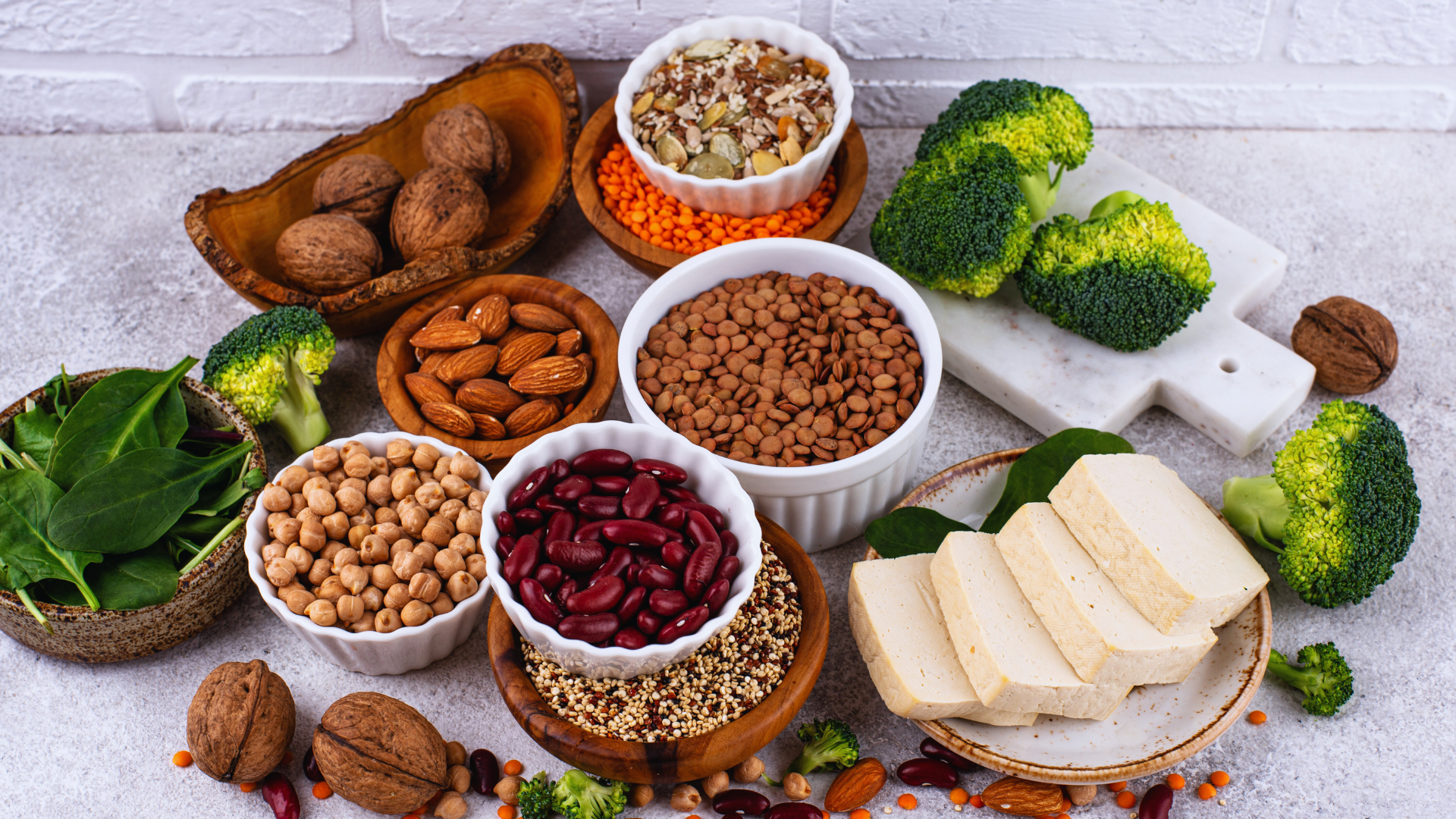
Replacing processed meats with plant-based proteins such as beans, lentils, and tofu reduces intake of saturated fat and additives. Plant-based proteins often contain fibre and antioxidants that support heart and gut health.
They provide lean protein necessary for muscle repair and metabolism without the risks linked to processed meats. Protein from these sources also tends to have a lower environmental impact.
Incorporating plant-based proteins a few times a week diversifies nutrient intake and promotes balanced meals.
Swapping Sugary Drinks for Healthier Alternatives
Sugary drinks contain high levels of added sugars with little nutritional value. Replacing sodas and sugary juices with water, herbal teas, or infused water reduces calorie intake and lowers the risk of developing type 2 diabetes.
Natural drinks can be flavourful without added sugars. Diluting fruit juice with water is another option for a lower sugar boost.
Healthier drinks support hydration and help manage energy levels throughout the day.
Reducing Unhealthy Fats and Embracing Healthy Fats
Unhealthy fats, especially trans fats and excessive saturated fats, increase the risk of heart disease. Reducing intake of fried foods or processed snacks lowers these harmful fats.
Replacing them with sources of healthy fats such as avocados, nuts, seeds, and olive oil improves cholesterol levels and provides essential fatty acids.
Healthy fats also support brain function and fat-soluble vitamin absorption. Balancing fat types contributes to long-term cardiovascular health.
Nutrient Density and Its Impact on Wellness
Small changes in food choices can significantly alter nutrient intake, influencing overall health. Prioritising foods rich in antioxidants, fibre, and probiotics helps improve energy, digestion, and feelings of fullness.
Increasing Antioxidants Through Simple Swaps
Antioxidants protect cells from damage by neutralising free radicals. Swapping processed snacks for nutrient-dense options like berries or nuts increases antioxidant intake effectively. For example, replacing a sugary cereal with blueberries adds vitamins C and K, plus flavonoids.
Green tea instead of sugary drinks provides catechins, a potent antioxidant group. These swaps reduce oxidative stress linked to chronic diseases. Consuming a variety of colourful fruits and vegetables enhances antioxidant diversity, supporting long-term wellness.
Enhancing Satiety and Energy Levels
Foods high in fibre promote satiety, helping to regulate appetite and reduce overeating. Choosing whole grains over refined grains increases fibre intake, which stabilises blood sugar and sustains energy throughout the day.
Replacing white bread with wholemeal options adds B vitamins and minerals essential for energy metabolism. Including protein sources, such as legumes or lean meats, further enhances satiety and supports sustained energy release. These swaps enable better portion control and prevent energy crashes.
Boosting Gut Health with Probiotics
Probiotics contribute to gut health by balancing the microbiome, which plays a crucial role in digestion and immune function. Introducing fermented foods like yoghurt or kefir instead of sugary desserts delivers beneficial bacteria.
This swap increases beneficial probiotic strains such as Lactobacillus and Bifidobacterium. Improved gut health can enhance nutrient absorption and reduce gastrointestinal discomfort. Combining probiotics with dietary fibre supports the growth of healthy bacteria, creating a symbiotic effect on digestive wellness.
Practical Examples and Daily Strategies
Small, targeted changes can improve the nutrient quality of everyday meals and snacks without requiring drastic lifestyle shifts. Introducing accessible swaps and adding fresh, whole ingredients creates a more balanced diet over time.
Swapping Crisps for Popcorn
Replacing crisps with air-popped popcorn reduces saturated fats and calories while increasing fibre intake. Popcorn is a whole grain, offering a source of complex carbohydrates and antioxidants, which crisps generally lack.
Portion control is key; a typical serving of popcorn is about three cups, which delivers volume and satisfaction with fewer calories. Avoid pre-packaged popcorn with added butter or salt to maintain its health benefits.
This simple swap supports digestive health by incorporating more dietary fibre, helping to promote long-term wellness through better nutrient density.
Opting for Mashed Avocado Instead of Mayonnaise
Using mashed avocado in place of mayonnaise lowers intake of processed fats and adds heart-healthy monounsaturated fats, vitamins E and C, and potassium. Avocado’s natural creaminess makes it a versatile substitute in sandwiches, salads, and dips.
Unlike mayonnaise, which often contains added sugars and preservatives, mashed avocado provides nutrient-dense, whole-food nutrition. This swap reduces saturated fat and enhances antioxidant consumption, contributing to improved cardiovascular health.
This strategy aligns with balanced diet principles by swapping out less nutritious condiments for options rich in essential nutrients.
Integrating More Fresh Produce and Whole Foods
Incorporating fresh produce such as fruits, vegetables, and whole grains increases intake of vitamins, minerals, and dietary fibre. These foods support immune function, digestion, and sustained energy.
Replacing processed or refined foods with whole foods reduces added sugars and unhealthy fats. For instance, swapping white bread for whole-grain varieties or choosing an apple over packaged snacks improves nutrient density significantly.
Daily meal planning that prioritises fresh produce promotes consistency and makes sustaining healthier choices more manageable in the long term.
Leave a Reply