
Baking with less sugar does not mean sacrificing flavour or texture. It is possible to create delicious treats by reducing refined sugar and incorporating natural sweeteners and nutrient-rich ingredients. Using alternatives like fruit purees, spices, and whole grains can enhance the nutritional value while maintaining the sweetness and moisture of baked goods.
Many recipes can be adjusted to lower sugar content by balancing sweetness with ingredients that add fibre, vitamins, and minerals. By making these simple swaps, bakers can enjoy healthier outcomes without a noticeable difference in taste or enjoyment.
This approach benefits those looking to reduce sugar intake for health reasons or simply to improve the quality of their food. It encourages experimenting with ingredients that boost both flavour and nutrition naturally.
Fundamental Principles of Baking with Less Sugar
Reducing sugar in baking requires an understanding of how it affects the physical and chemical properties of baked goods. Modifications impact texture, flavour, and appearance, so adjustments are necessary to achieve a satisfying result.
The Science Behind Reducing Sugar in Baking
Sugar contributes to moisture retention, tenderness, and browning through caramelisation and the Maillard reaction. Cutting sugar lowers moisture, leading to drier textures. It also weakens the structure, since sugar interferes with gluten development.
Sugar acts as a preservative, slowing microbial growth. Reducing sugar shortens shelf life, so the baked goods may stale faster.
For those with a sweet tooth, alternative sweeteners like honey or stevia can help maintain sweetness but behave differently in recipes. Some substitutes add acidity or liquid volume, requiring formula adjustments.
Adjusting Expectations: Texture, Flavour, and Colour Changes
Baked products with less sugar will be less tender, potentially denser, and paler. Crusts may not brown as deeply or develop the same crispness.
Flavour changes are notable. Sugar masks bitterness and enhances other flavours. Reduced sugar intensifies bitterness in cocoa or spices. It’s important to balance with spices, extracts, or natural sweeteners to maintain appeal.
Bakers should expect a different mouthfeel and may need to experiment with ingredients like yoghurt or applesauce to improve texture and moisture without added sugar.
Natural Sweeteners and Effective Sugar Alternatives
Sugar can be replaced with various natural options that add flavour and nutrition. The following choices include syrups, unrefined sugars, and fruit-based sweeteners, each suited to different baking needs and preferences.
Utilising Natural Syrups and Unrefined Sugars
Natural syrups like maple syrup, honey, and coconut syrup provide sweetness with unique flavours. Maple syrup contains antioxidants and minerals such as manganese and zinc, while honey offers antimicrobial properties. Coconut sugar is less refined and has a lower glycaemic index than white sugar.
When baking, these syrups add moisture, which can slightly alter texture. Adjusting liquid ingredients may be necessary to maintain the right consistency. Using ¾ cup of syrup per cup of sugar is a common substitution ratio. Coconut sugar works well as a one-to-one sugar replacement, but it should be noted for its caramel-like taste.
Incorporating Fruit-Based Sweeteners
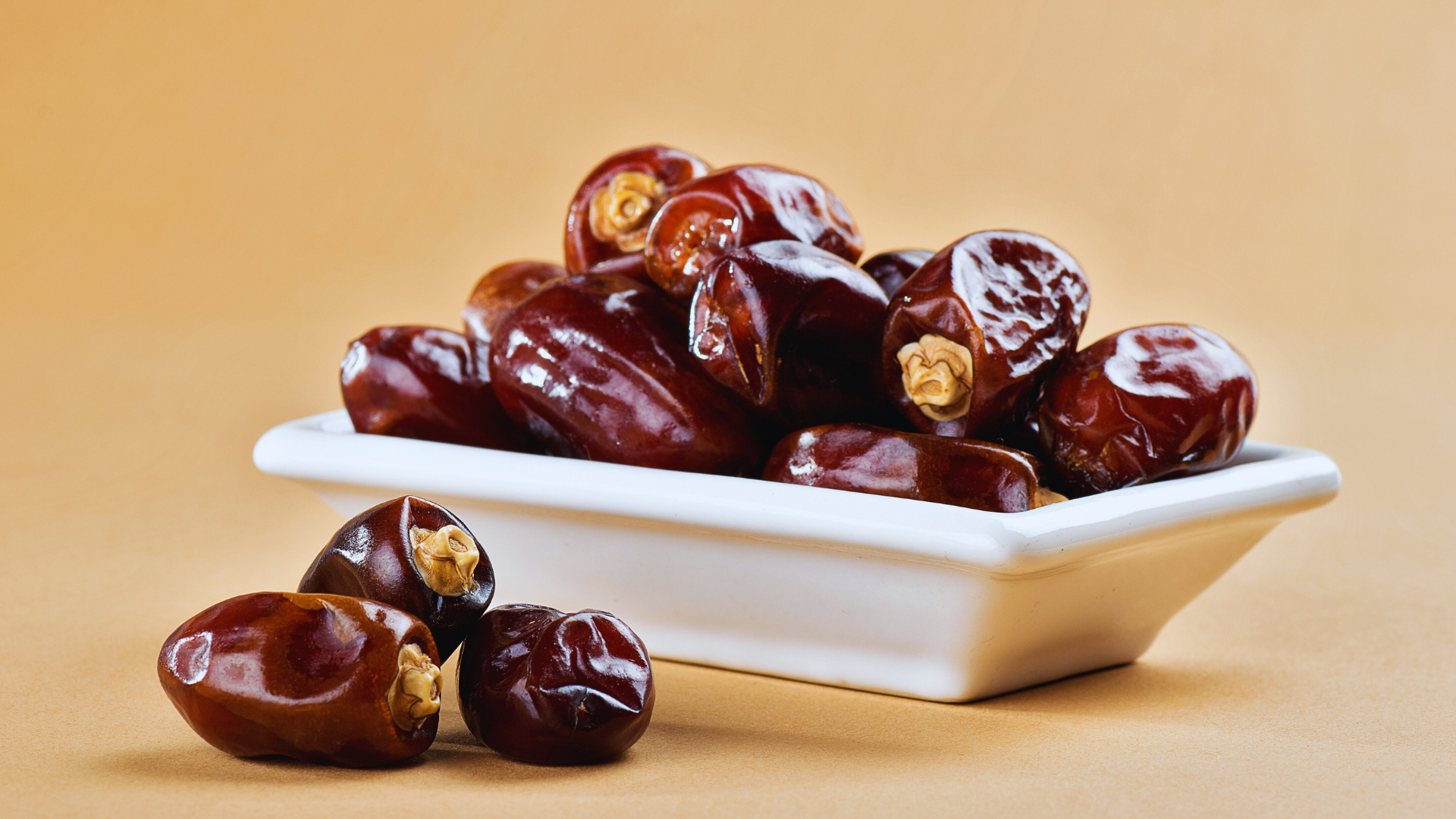
Fruit-based sweeteners like dates and applesauce increase sweetness and nutrition. Dates, often used as a paste, contribute fibre, potassium, and antioxidants. Applesauce adds moisture and reduces fat in recipes, while supplying vitamin C.
Using pureed fruit in baking replaces both sugar and some fat or liquids. It is best to reduce other liquids by about ¼ cup per half cup of applesauce to maintain balance. Dates blend smoothly into energy bars, muffins, and cakes, making them versatile natural sweeteners.
Selecting the Right Sweetener for Your Recipe
Choice of sweetener depends on the recipe’s texture, flavour profile, and baking time. Syrups perform well in moist cakes and quick breads but may not suit crispy cookies. Coconut sugar can replace granulated sugar in most recipes, but may darken the colour.
Fruit-based sweeteners work best in recipes that benefit from added moisture, such as muffins or pancakes. For recipes needing caramelisation, syrups or coconut sugar are better. Consider the sweetness level, the moisture content, and how the sweetener interacts with other ingredients when selecting the right option.
Enhancing Nutritional Value in Baked Goods
Replacing sugar with nutrient-dense ingredients can improve the health profile of baked goods without sacrificing taste. Incorporating vegetables, protein and fibre-rich swaps, healthier fats, and alternative flours can boost both flavour and nutrition effectively.
Adding Vegetables for Moisture and Nutrition
Vegetables like carrots, zucchini, and pumpkin add natural moisture to cakes and muffins, reducing the need for added fats and sugars. Carrots contribute beta-carotene and fibre, while zucchini adds moisture with negligible calories and carbohydrates.
Pumpkin boosts vitamin A and fibre content significantly. These vegetables also improve texture, making baked goods tender and moist without excessive sugar. Purees from these vegetables can replace up to half of the fat or sugar in some recipes, allowing for calorie reduction.
Using grated or pureed vegetables is ideal for even distribution and maintaining the structure of the bake. This method also helps increase the intake of greens or vegetables subtly.
Boosting Protein and Fibre with Ingredient Swaps
Incorporating Greek yoghurt instead of cream or butter elevates protein content and adds moisture. It helps reduce added sugar by contributing natural tang and richness.
Swapping part of the all-purpose flour with wholegrain alternatives or oat bran increases fibre intake, improving digestion and satiety. Adding a tablespoon of chia seeds or ground flaxseed can also boost fibre and omega-3 fats without altering flavour.
Using natural protein powders or nut flours can further enhance protein levels. Nutritional boosts should ensure the texture remains pleasant while increasing the health value of the final product.
Exploring Healthier Fats and Dairy Options
Using avocado as a fat substitute provides heart-healthy monounsaturated fats and a creamy texture. It works well in brownies and cakes, offering moisture without a strong flavour.
Greek yoghurt serves as a lowering agent for fat and sugar content while enriching protein. Replacing some butter or cream with yoghurt reduces saturated fat and adds beneficial probiotics.
Olive oil or mild-tasting nut oils are good alternatives to butter, supplying unsaturated fats. They support better cardiovascular health when used in moderation.
Smart Flour Choices for Improved Nutrition
Switching from all-purpose flour to wholemeal or spelt flour raises fibre, vitamins, and minerals. Wholemeal flour contains bran and germ, which help regulate blood sugar and digestion.
Using almond or coconut flour adds protein and healthy fats, but may require recipe adjustments due to their different absorbency. Blending these flours in proportions maintains texture while improving nutrient density.
Alternative flours should be tested in small batches for best results, as they affect moisture and rising properties. These choices contribute to a more balanced baked product without reliance on refined ingredients.
Practical Tips for Success and Indulgence
Reducing sugar in baking requires balancing flavour and texture while maintaining enjoyment. Adjustments to recipes and taste preferences are key to achieving satisfying results. Consistent testing helps fine-tune sweetness and nutrition without compromising indulgence.
Gradual Reduction to Satisfy Your Palate
Reducing sugar incrementally allows the palate to adapt without noticeable loss of sweetness. Start by cutting sugar by 10-20% in each recipe and observe taste and texture changes.
This slow reduction prevents unpleasant bitterness or dryness often caused by sudden sugar cuts. It also helps identify the minimum sugar level needed for enjoyment.
Using natural sweeteners like mashed bananas, applesauce, or dates can enhance sweetness and moisture. These ingredients add nutrients such as fibre and vitamins, supporting better nutrition while compensating for sugar reduction.
Recipe Adaptations and Testing Methods
Swapping sugar with healthier alternatives like erythritol, stevia, or coconut sugar requires recipe adjustments. For example, erythritol often needs less replacement due to its lower sweetness intensity.
She should test texture changes by noting differences in browning, moisture, and rise during baking. Incremental trials with small batches are useful to refine ratios.
A simple testing table can track outcomes:
|
Test Batch |
Sugar % Reduced |
Sweetener Used |
Texture Quality |
Taste Satisfaction |
|
1 |
10% |
Applesauce |
Moist |
Good |
|
2 |
20% |
Coconut sugar |
Slightly drier |
Acceptable |
This methodical approach ensures reliable results that meet both nutritional goals and indulgence expectations.
Leave a Reply