
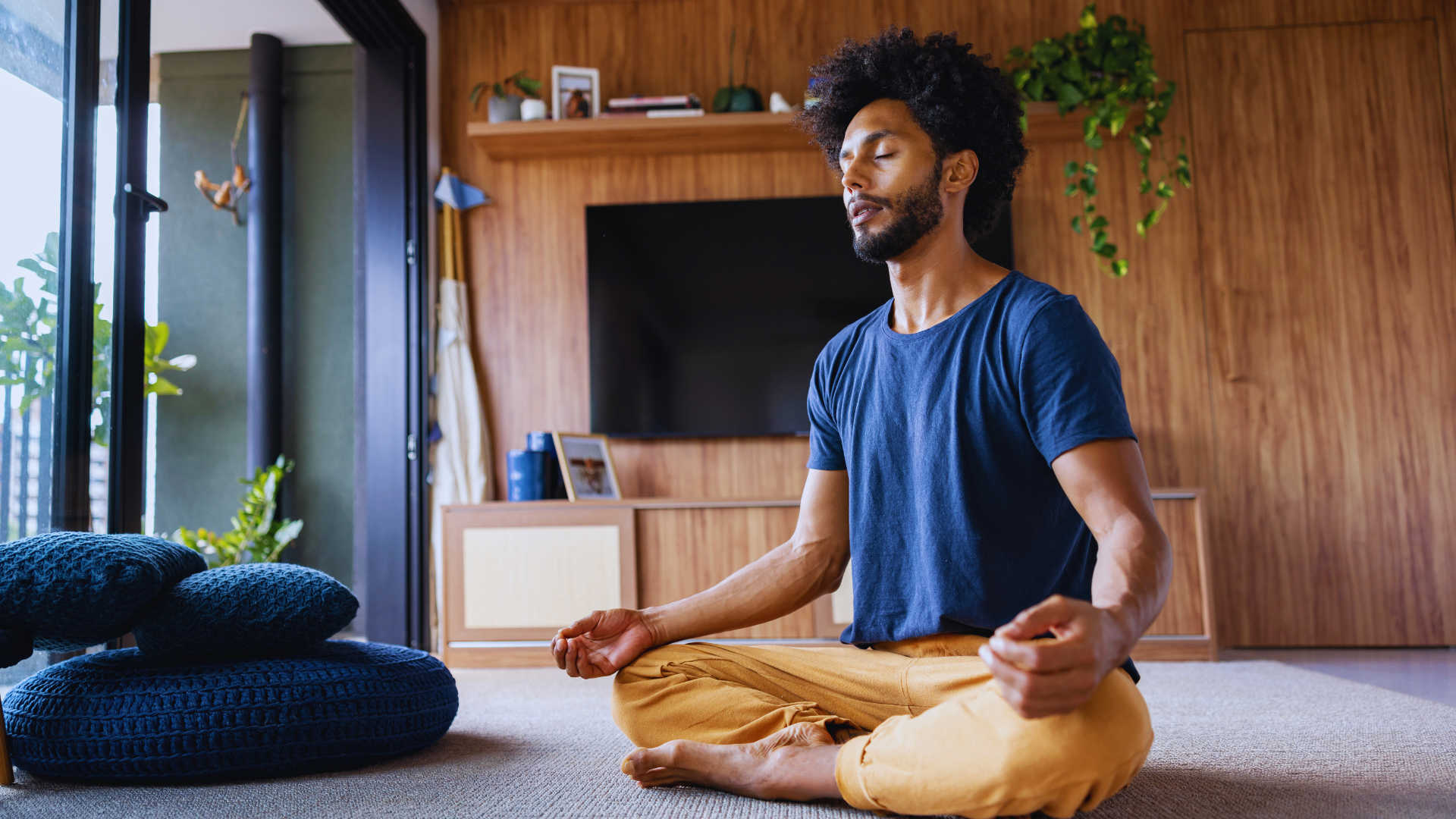
Blending wellness with realistic living means embracing habits that support health without demanding perfection or drastic lifestyle changes. It involves creating practical routines that fit individual circumstances and priorities, making wellbeing sustainable rather than overwhelming.
Many struggle to balance wellness goals with daily responsibilities, but adopting flexible approaches can help maintain both physical and mental health. This article explores ways to integrate simple, effective wellness practices that respect real-life challenges.
Core Principles of Blending Wellness With Realistic Living
A balanced lifestyle demands understanding the relationship between wellness and everyday realities. Achieving well-being requires strategies that fit within practical constraints while fostering health and stability.
Defining Wellness Versus Realistic Living
Wellness refers to a proactive approach to health that includes physical, mental, and emotional aspects. It often involves intentional actions like exercise, nutrition, and mindfulness.
Realistic living acknowledges limitations such as time, finances, and personal commitments. It prioritises sustainable habits over idealised standards that may be unattainable long-term.
The key is distinguishing between aspirational wellness goals and what one can consistently maintain. This prevents burnout and supports continuous improvement without pressure.
Establishing Balance in the Modern World
Balance involves allocating time and energy between self-care, work, family, and social activities. It requires recognising that some days will demand more focus on specific areas.
In a fast-paced environment, integrating short wellness practices—such as brief walks or mindful breathing—can improve overall well-being without disrupting daily responsibilities.
Understanding the ebb and flow of personal demands helps maintain a flexible but stable routine. This adaptability is crucial for sustaining a balanced lifestyle amid changing circumstances.
Setting Attainable Goals for Well-Being
Goals must be specific, measurable, and achievable within one’s daily context. For example, aiming to walk 15 minutes daily rather than an hour-long workout daily.
Breaking larger aims into smaller steps encourages gradual progress and reduces the risk of discouragement. Tracking these milestones provides a clear sense of accomplishment.
Attainable goals enhance motivation and create a foundation for long-term well-being by aligning wellness efforts with realistic living conditions.
Integrating Mindful and Practical Habits
Effective integration of mindfulness practices and practical habits supports emotional balance and ongoing mental well-being. Establishing consistent routines that are simple and adaptable ensures these habits fit into daily life without adding stress.
Building a Mindfulness Routine
Creating a mindfulness routine begins with short, manageable meditation sessions lasting 5 to 10 minutes. This reduces resistance and makes the practice sustainable. A regular schedule, such as morning or evening, helps build habit strength.
Incorporating focused breathing exercises or body scans enhances presence and relaxation. Tools like meditation apps or guided audio can assist beginners. It’s important to assess what methods suit individual preferences and lifestyle, adjusting as needed to maintain consistency.
Everyday Self-Care Strategies
Practical self-care involves prioritising basic needs that positively affect mental health. This includes regular sleep patterns, nutritious eating, and physical activity adapted to personal ability. These elements support emotional well-being by stabilising mood and energy levels.
Simple actions such as setting work-life boundaries, taking breaks, and maintaining social connections also contribute. Creating a daily checklist can ensure these tasks are not overlooked. Self-care is most effective when it respects realistic time constraints and personal capacity.
Sustaining Mental Health Through Daily Practice
Sustaining mental health requires reinforcing healthy thoughts and emotional regulation daily. Journaling or reflection at day’s end aids in processing emotions clearly. Cognitive techniques like reframing help manage stressors pragmatically.
Regular breaks for relaxation—such as short walks or mindful pauses—prevent burnout. Keeping mental health in focus through daily practice helps reinforce resilience and adaptive coping mechanisms over time.
Designing Practical Wellness Spaces at Home
Creating wellness spaces at home involves attention to natural elements and colours that promote relaxation and health. Practical design focuses on improving air quality, lighting, and incorporating plants to enhance well-being.
Maximising Natural Light and Fresh Air
Natural light significantly impacts mood and energy levels. Rooms with large windows or skylights that allow sunlight to enter during the day are ideal. Sheer curtains can control glare without blocking daylight.
Fresh air circulation is equally important. Opening windows regularly or installing ventilation systems helps reduce indoor pollutants and maintain oxygen levels. Households can use air-purifying plants to improve air quality when fresh air is limited.
Combining natural light with fresh air boosts alertness and supports a healthy living environment, essential for practical wellness.
Choosing Calming Colours for Peace
Colours influence emotional states. Soft, muted tones like light blues, soft greens, and gentle greys foster calmness and reduce stress. These shades work well in bedrooms and relaxation areas.
Avoid overly bright or harsh colours in wellness spaces as they can cause agitation. Matte finishes reduce glare and contribute to a soothing atmosphere.
Using calming colours consistently throughout a wellness space ensures visual harmony, which supports mental clarity and peacefulness.
Bringing Nature Indoors With a Garden
Indoor gardens bring the benefits of nature inside, improving air quality and creating a sense of calm. Small pots with herbs or succulents require minimal maintenance and fit well on windowsills or desktops.
For more space, vertical gardens or terrariums make efficient use of indoor areas. Plants like spider plants, ferns, and peace lilies are known for their air-purifying properties.
Having access to greenery indoors connects people with nature, promoting relaxation and boosting overall wellness.
Holistic Health Through Nutrition and Movement
Balancing nutrition and physical activity plays a crucial role in achieving holistic health. Practical dietary choices and consistent movement routines contribute to maintaining energy, managing stress, and supporting long-term well-being.
Nutritional Strategies for Busy Lifestyles
Busy schedules often limit time for meal preparation, but prioritising nutrition is essential. Planning meals ahead, focusing on whole foods like vegetables, lean proteins, and whole grains, helps maintain stable energy levels and reduce processed food intake.
Using batch cooking or meal prepping saves time and ensures access to healthy options throughout the week. Incorporating nutrient-dense snacks such as nuts, seeds, or fruit supports balanced blood sugar and prevents overeating.
Staying hydrated remains critical; drinking water consistently improves cognitive function and physical performance. Avoiding excessive caffeine or sugary drinks prevents energy crashes and supports steady mood regulation.
Incorporating Exercise and Yoga
Combining aerobic exercise with yoga fosters both physical strength and mental clarity. Aerobic activities like walking, cycling, or swimming promote cardiovascular health, while yoga improves flexibility, balance, and stress management.
Aiming for at least 150 minutes of moderate exercise weekly suits most adults. Integrating short yoga sessions of 15–20 minutes daily can decrease muscle tension and enhance mindfulness.
Choosing activities that fit into daily routines increases consistency. Using reminders or scheduling time blocks for movement prevents skipping physical activity due to busy days.
Creating a Functional Space for Well-Being
A designated area for wellness activities encourages regular practice and mental focus. This space should be organised, uncluttered, and equipped with essentials like a yoga mat, comfortable seating, and hydration nearby.
Natural light and some plants improve mood and air quality, supporting overall health. Minimal distractions, such as electronic devices, help maintain concentration during exercise or meditation.
Keeping the space adaptable allows for varied activities – from stretching and yoga to light strength training. Consistency in using this space reinforces daily wellness habits and strengthens the mind-body connection.
Leave a Reply