
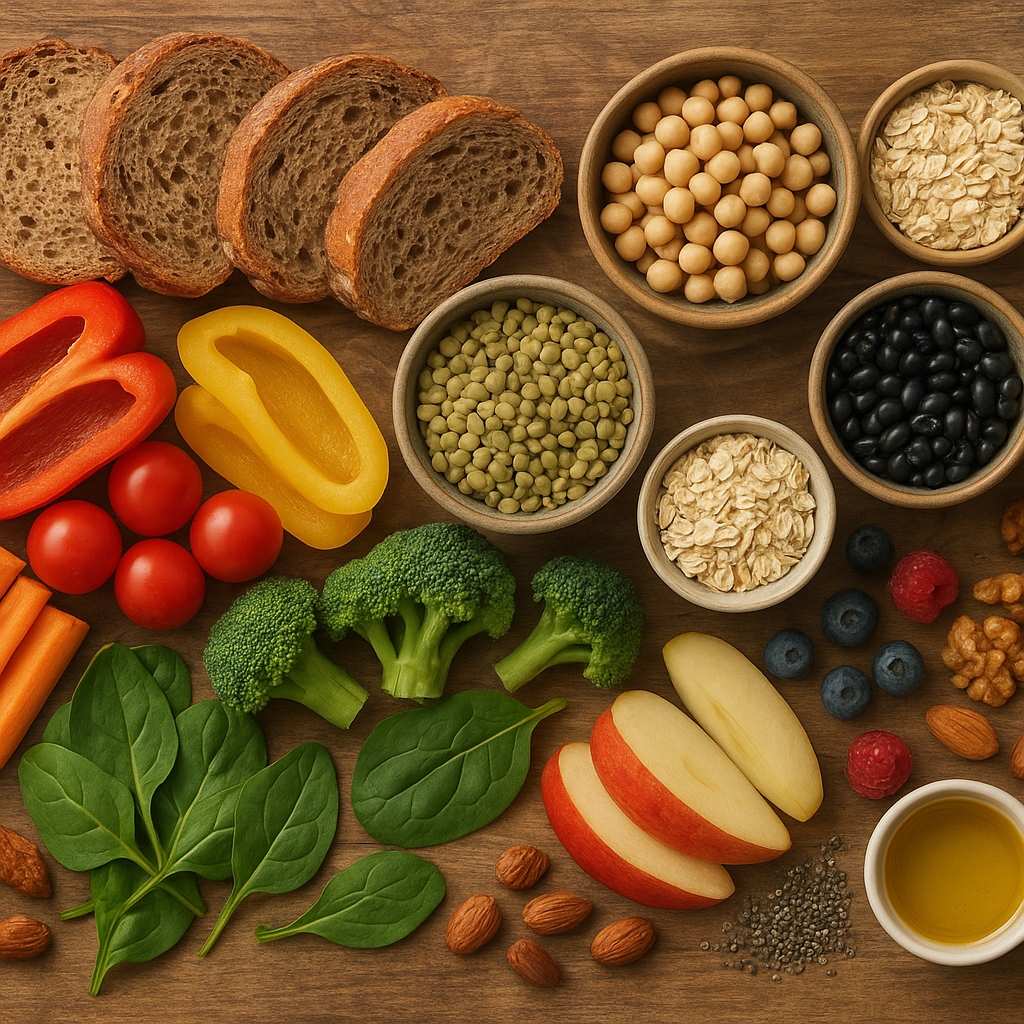
Most people know they should eat more fibre. It appears on cereal boxes, in government dietary guidelines, and in virtually every conversation about healthy eating. But the reasons why fibre matters — particularly for gut health — go far deeper than most people realise. It is not simply about keeping things moving along. Dietary fibre plays a central role in shaping the entire microbial ecosystem living inside your digestive tract, and that ecosystem, in turn, influences everything from your immune function to your mental wellbeing.
This article explores the science behind fibre and gut health, breaking down the different types of fibre, what they do, and how you can make practical changes to support a healthier gut through your diet.
What Exactly Is Dietary Fibre?
Dietary fibre refers to the parts of plant foods that the human body cannot digest or absorb in the small intestine. Unlike proteins, fats, and carbohydrates that break down and enter the bloodstream, fibre passes largely intact into the large intestine. This is not a flaw — it is the whole point.
The term “fibre” is actually an umbrella category covering dozens of distinct compounds. Broadly speaking, these fall into two main groups: soluble fibre and insoluble fibre. Each behaves differently in the body and offers a distinct set of health benefits.
Soluble Fibre
Soluble fibre dissolves in water to form a thick, gel-like substance as it moves through the digestive system. This gel slows digestion, which helps regulate blood sugar levels and lower cholesterol. Foods rich in soluble fibre include:
- Oats and oat bran
- Apples, pears, and citrus fruits
- Beans, lentils, and chickpeas
- Barley
- Psyllium husk
- Flaxseeds
Many soluble fibres are also prebiotic, meaning they serve as food for beneficial gut bacteria. This is where the gut health story really begins.
Insoluble Fibre
Insoluble fibre does not dissolve in water. Instead, it adds bulk to stool and helps food move through the digestive tract more efficiently. This type of fibre is particularly important for preventing constipation and maintaining regular bowel movements. Good sources include:
- Whole wheat bread and bran
- Nuts and seeds
- Cauliflower, green beans, and courgette
- Root vegetables with their skins
- Dark leafy greens
Most whole plant foods contain a mixture of both types, which is one of the reasons why eating a varied, plant-rich diet tends to be more beneficial than relying on a single supplement or food source.
The Gut Microbiome: A Brief Introduction
Before diving into exactly how fibre affects gut health, it helps to understand what the gut microbiome actually is. Your gut is home to approximately 100 trillion microorganisms — including bacteria, fungi, viruses, and archaea. Together, these form what scientists call the gut microbiome, a vast and complex ecosystem that is unique to every individual.
Research published in journals such as Cell and on platforms like PubMed has consistently shown that the composition of your gut microbiome has wide-reaching effects on health. A diverse microbiome — one with many different species of bacteria — is generally associated with better health outcomes, while a less diverse microbiome has been linked to conditions including inflammatory bowel disease, obesity, type 2 diabetes, and even depression.
Diet is one of the most powerful tools available for shaping the microbiome, and fibre is arguably the single most important dietary factor in this regard.
How Fibre Feeds Your Gut Bacteria
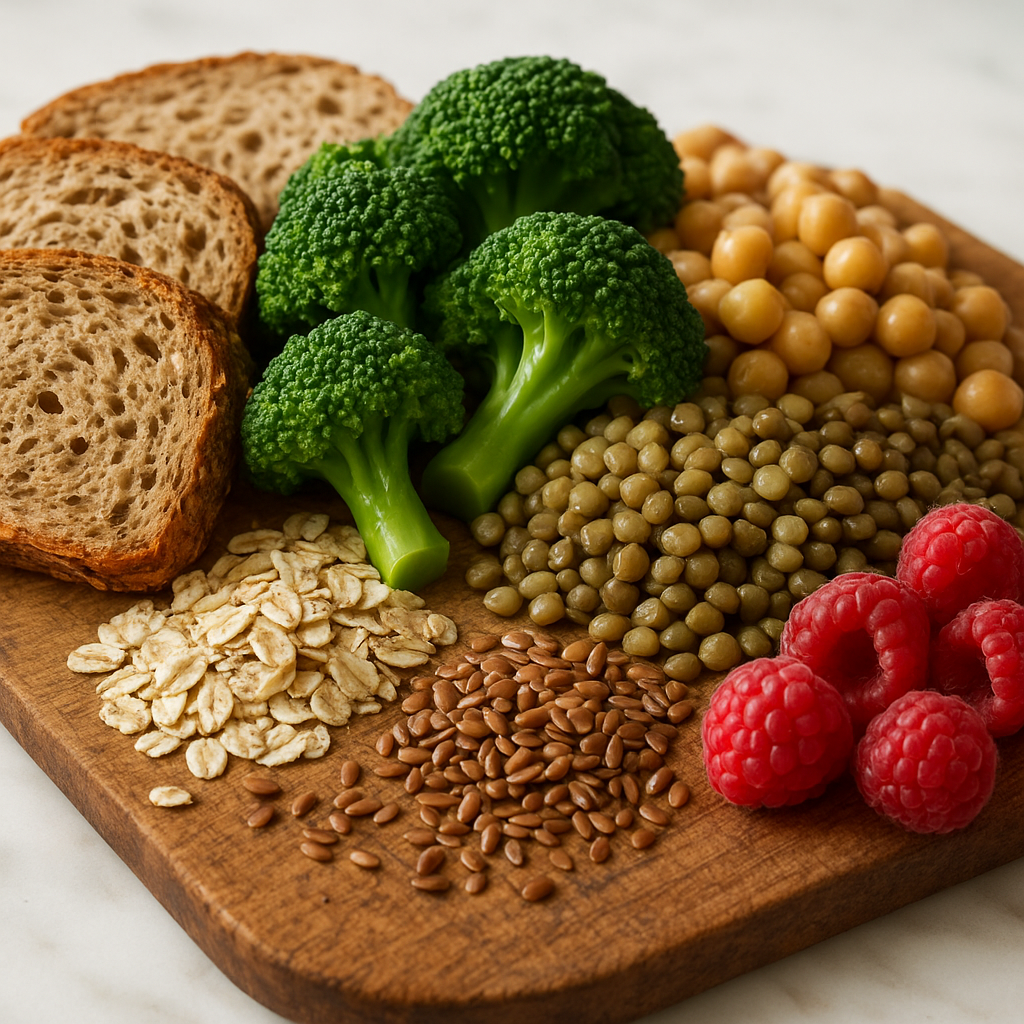
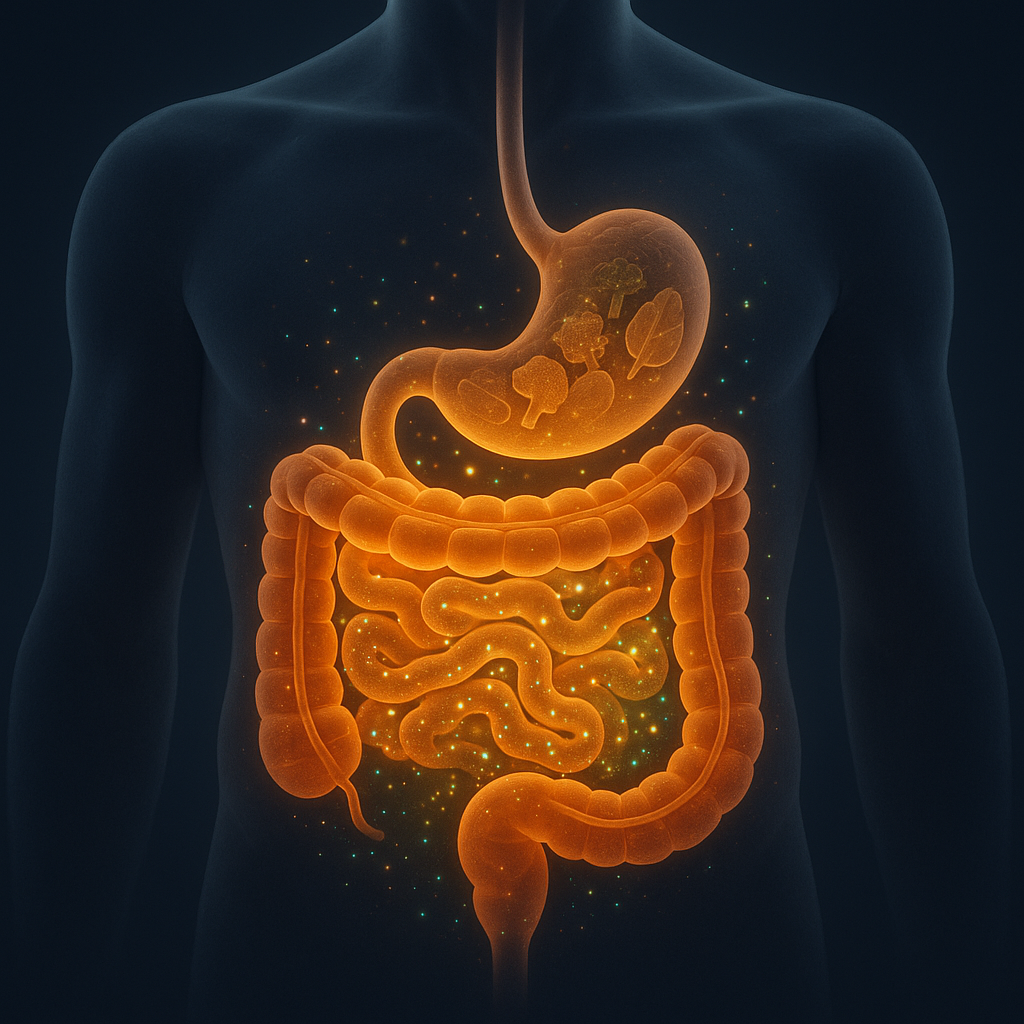
When fibre reaches the large intestine, it encounters the trillions of bacteria living there. Many of these bacteria have evolved specifically to ferment dietary fibre — breaking it down and extracting energy from it. In the process, they produce a range of compounds that have significant effects on health.
The most important of these compounds are short-chain fatty acids (SCFAs), particularly butyrate, acetate, and propionate. Here is why they matter:
- Butyrate is the primary energy source for the cells lining your colon. It helps maintain the integrity of the gut lining, which is crucial for preventing what is sometimes called “leaky gut” — a condition where the intestinal barrier becomes more permeable than it should be.
- Propionate travels to the liver, where it plays a role in regulating glucose metabolism and may help reduce cholesterol production.
- Acetate is absorbed into the bloodstream and used by peripheral tissues as an energy source. It also plays a role in appetite regulation.
A 2022 study published in Cell Host & Microbe found that people who consumed high-fibre diets had significantly higher levels of SCFA-producing bacteria and better overall microbial diversity compared to those eating low-fibre diets. This is not a trivial finding — microbial diversity is increasingly seen as a key marker of gut health.
Fibre and Gut Inflammation
One of the most significant — and perhaps least appreciated — roles of dietary fibre is its ability to modulate inflammation in the gut. Chronic low-grade inflammation in the gastrointestinal tract is now understood to be a driver of numerous diseases, and the connection to fibre intake is well-established.
When fibre-fermenting bacteria produce butyrate and other SCFAs, these compounds signal to immune cells in the gut lining. They help regulate the production of inflammatory cytokines and support the development of regulatory T cells — immune cells that help keep the immune response measured and proportionate. In simple terms, a well-fed gut microbiome helps the immune system avoid overreacting.
People with conditions like Crohn’s disease and ulcerative colitis often have lower levels of SCFA-producing bacteria and reduced microbial diversity. While fibre is not a cure for these conditions, research into dietary interventions — including increased fibre consumption — continues to show promise as a complementary approach.
The Five Most Important Reasons to Eat More Fibre
If you are looking for a clear summary of why dietary fibre deserves such attention, here are five core reasons backed by research:
- Supports a diverse gut microbiome — A variety of fibres feeds a variety of bacterial species, which is associated with better overall health.
- Promotes the production of short-chain fatty acids — These compounds protect the gut lining and influence metabolism throughout the body.
- Reduces gut inflammation — SCFA signalling helps regulate immune responses and lower chronic inflammation.
- Improves bowel regularity — Both soluble and insoluble fibre help keep the digestive system moving efficiently.
- Supports broader metabolic health — From blood sugar regulation to cholesterol management, the benefits extend well beyond the gut itself.
Best Fibre Sources for Gut Bacteria
Not all fibres are equally beneficial for the gut microbiome. Some types are particularly potent in feeding beneficial bacteria, and these are worth knowing about.
Prebiotic Fibres
Prebiotic fibres are a specific subset of dietary fibre that selectively feed beneficial bacteria. Key prebiotic fibre types include:
- Inulin and fructooligosaccharides (FOS) — Found in garlic, onions, leeks, asparagus, and chicory root. These preferentially feed Bifidobacterium species, which are among the most well-studied beneficial gut bacteria.
- Beta-glucan — Found in oats and barley, beta-glucan has been shown to increase microbial diversity and SCFA production.
- Resistant starch — Found in cooked-then-cooled rice and potatoes, unripe bananas, and legumes. Resistant starch resists digestion in the small intestine and is fermented in the large intestine, producing significant amounts of butyrate.
- Pectin — Found in apple skins, citrus peel, and berries. Pectin supports the growth of Akkermansia muciniphila, a bacterium associated with gut barrier integrity.
A Note on Dark Chocolate
Interestingly, good quality dark chocolate — particularly varieties with a high cocoa content — contains both prebiotic fibre and polyphenols that can support gut bacteria. Research has shown that cocoa polyphenols are metabolised by gut bacteria, producing compounds with anti-inflammatory properties. This does not make chocolate a health food in isolation, but it does add another layer to understanding how a varied diet with thoughtful choices can support gut health.
Practical Ways to Increase Your Fibre Intake
The average adult in the UK consumes around 18g of fibre per day, well below the recommended 30g daily target set by the NHS. Closing that gap does not require a dramatic dietary overhaul — small, consistent changes add up quickly.
Here are some practical strategies:
- Start breakfast with oats — A bowl of porridge made with rolled oats provides around 4–5g of fibre, including beneficial beta-glucan.
- Keep the skins on — Much of the fibre in vegetables and fruit sits in or just below the skin. Leave skins on potatoes, apples, carrots, and courgettes wherever possible.
- Add legumes to meals — Stirring a tin of lentils or butter beans into soups, stews, or pasta sauces is one of the easiest fibre boosts available.
- Choose whole grains — Swapping white bread, rice, and pasta for their wholegrain equivalents can significantly increase daily fibre intake.
- Snack on nuts and seeds — A small handful of almonds or a tablespoon of ground flaxseed added to yoghurt or smoothies contributes meaningful amounts of fibre.
- Diversify your plants — Gut health researchers often recommend aiming for 30 different plant foods per week. This includes vegetables, fruits, wholegrains, legumes, nuts, seeds, herbs, and spices.
Should You Use Fibre Supplements?
Fibre supplements — including psyllium husk, inulin powder, and wheat dextrin — can be useful for people who genuinely struggle to meet their needs through food alone. However, they are not a substitute for dietary diversity. Whole foods provide a complex mixture of fibre types, polyphenols, vitamins, and minerals that work synergistically. Supplements typically deliver a single fibre type and lack this broader nutritional context.
If you do use a fibre supplement, introduce it gradually and drink plenty of water, as a sudden increase in fibre intake can cause bloating and discomfort until the gut microbiome adjusts.
The Gut-Brain Connection: An Emerging Picture
One of the most fascinating frontiers in microbiome research is the gut-brain axis — the two-way communication network between the gut and the brain. SCFAs produced through fibre fermentation can cross into the bloodstream and influence brain function. Butyrate, in particular, has been shown in animal studies to have anti-anxiety and antidepressant-like effects, and human observational studies have found associations between fibre intake, microbiome diversity, and reduced rates of depression and anxiety.
This is still an evolving field, and it would be an overstatement to claim that eating more oats will cure mental health conditions. But the direction of the evidence is striking, and it underscores just how interconnected the gut is with the rest of the body. For those looking to bake with more nutrition in mind, reducing sugar while incorporating fibre-rich ingredients like oats and flaxseeds is a natural place to start.
Conclusion
Dietary fibre is one of the most impactful components of a healthy diet, yet it remains chronically underconsumed in most Western countries. Its relationship with gut health is multifaceted: fibre feeds the bacteria that produce short-chain fatty acids, those fatty acids protect the gut lining and regulate inflammation, and that inflammatory regulation ripples outwards to influence immune function, metabolic health, and even mood.
The most practical takeaway is also the simplest: eat more plants, eat a wider variety of plants, and prioritise whole food sources of fibre over single supplements wherever possible. Soluble fibres like oats, legumes, and apples are particularly valuable for feeding beneficial bacteria, while insoluble fibres from wholegrains and vegetables support digestive regularity. Together, they form the foundation of a gut-friendly diet — one that benefits the entire body over the long term.
Leave a Reply